
The Smart Homeowner’s Summer Roofing Checklist
July 8, 2026

July 8, 2026

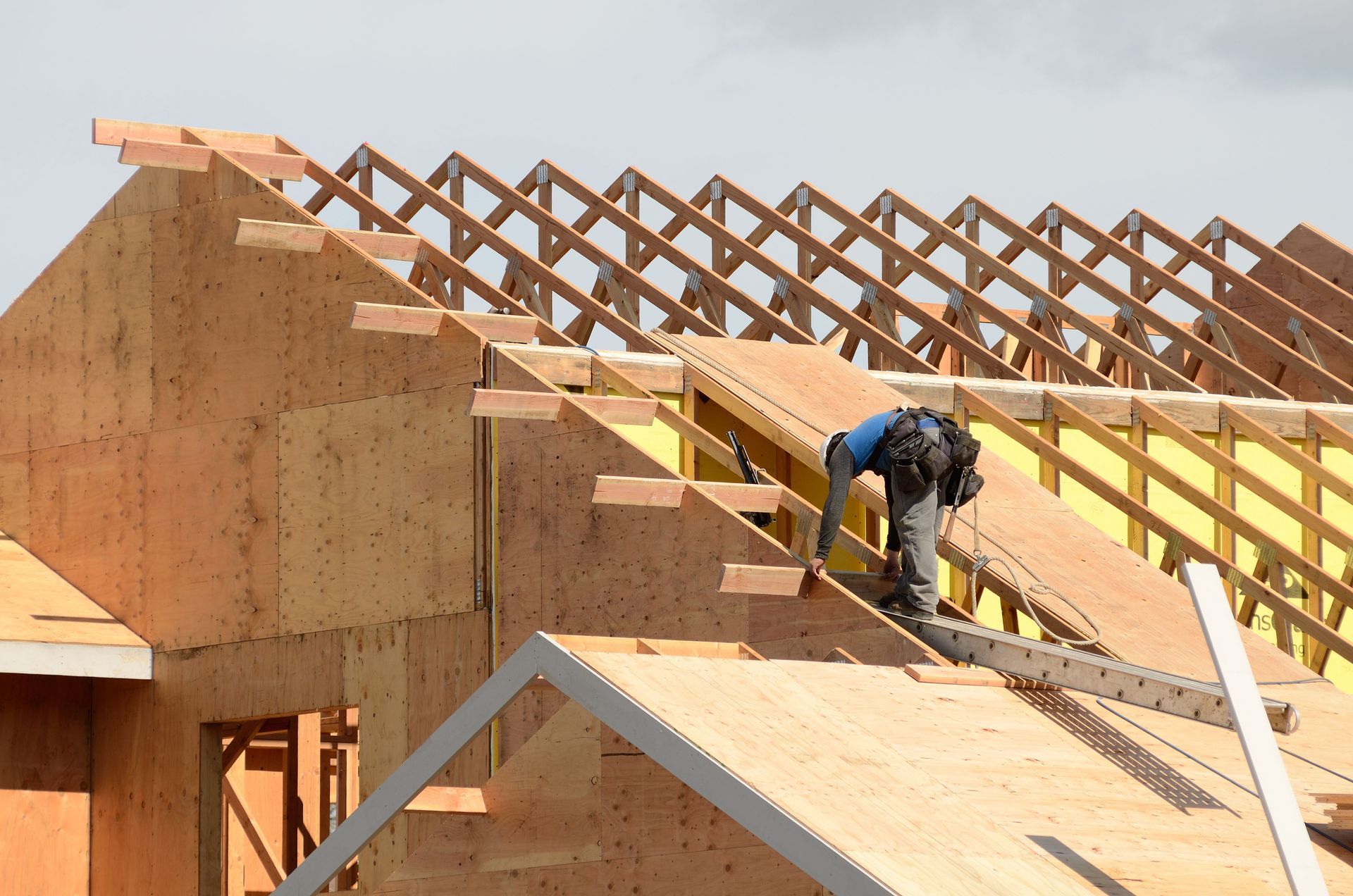
Worker in a red hoodie standing on a damaged roof, inspecting shingles on a house.

Photo by Johnson on Unsplash

Summer in South Jersey is prime time for your roof — and not in a good way. Between sustained heat that can push shingle surfaces past 160°F, afternoon thunderstorms that arrive without warning, and high humidity that encourages algae and moss growth, your roof faces more cumulative stress from June through August than any other season. The difference between a roof that hits 30 years and one that fails at 18 often comes down to whether a homeowner pays attention during these months.

You don’t need to become a roofing expert. You need a short, practical checklist — and the judgment to know when to call a professional. Here’s both.

From the ground: your visual inspection

Start from the street and work your way around your home. Bring binoculars if you have them. You’re looking for any of these warning signs:


  • Dark streaks or patches
  •  running down the shingle surface — signs of algae that will feed on your shingles if left untreated

  • Shingles that appear blistered or wavy
  •  when viewed at a low angle — a sign of heat damage and moisture trapped beneath the surface

  • Missing, lifted, or curling shingles
  •  — each one is an open entry point for the next rainstorm

  • Sagging sections
  •  anywhere along the roofline — a structural concern that needs immediate professional evaluation

  • Flashing that appears loose or separated
  •  around chimneys, skylights, or roof valleys — the most common source of summer leaks

  • Granules accumulating in gutters
  •  after storms — check your downspout drainage area for dark sandy deposits

Check your gutters

Summer means leaves, pollen, and seed pods working their way into gutters before the main fall drop. A clogged summer gutter doesn’t just overflow during storms — it creates standing water conditions that breed mosquitoes, accelerate fascia rot, and can work back under shingles at the eaves. Run a garden hose through each section to confirm free flow. If water pools or backs up, it’s time to clean or inspect for sags and separations.

Seamless gutters installed by a professional drain faster, sag less, and have no mid-run joints to fail. If your gutters are sectional and over 15 years old, summer is a good time to discuss a replacement — before the fall leaf season creates the next stress event.

Your attic: the critical interior check

On a hot summer afternoon, go up to your attic. If it feels like opening an oven door, your ventilation system isn’t doing its job. A properly ventilated attic stays within 10–20 degrees of outdoor temperature. Dangerous heat buildup signals blocked soffits, an undersized ridge vent, or a missing attic fan — all of which accelerate shingle aging from below while driving up your AC bills.

While you’re up there: look for any daylight coming through the roof deck, any dark staining on rafters or sheathing, and any soft spots when you press on the decking boards. Each of these warrants a professional inspection before fall.

160°F

Peak summer shingle surface temp in South Jersey heat

30%

Potential AC energy savings with proper attic ventilation

24hr

Diamond Roofing’s guaranteed call-back time, every day

After every major storm

South Jersey’s summer storm season runs from June through August, and a single hail event or damaging wind gust can change your roof’s status overnight. After any significant storm, do a fresh ground-level inspection before assuming everything is fine. Hail damage in particular is subtle — impacts may leave no visible dent but can still crack the granule-to-asphalt bond, creating vulnerability that doesn’t produce a leak for months.

If you suspect storm damage, document it with photos and call Diamond Roofing for a professional assessment before contacting your insurance company. A contractor-written damage report carries significant weight with adjusters and can mean the difference between a full claim approval and a dispute.

Schedule your professional inspection

A DIY checklist catches the obvious. A professional inspection catches everything else — including the early-stage issues that don’t look like much from the ground but will become expensive repairs within a year or two. Diamond Roofing offers free inspections with no obligation, and our schedule fills quickly as summer progresses. June is the best month to book.

What we inspect

Shingle condition, flashing integrity, ridge and soffit ventilation, gutter attachment, attic deck condition, and any post-storm impact damage.

10-year warranty included

Every Diamond Roofing installation comes with a 10-year workmanship warranty, plus your choice of 30-year standard or 50-year lifetime shingle coverage.

Your roof is doing its job quietly every single day. A few minutes of attention each summer is the best investment you can make in keeping it that way for the next 25 years.

roof installation
October 14, 2026
Learn what to consider before roof installation, from choosing materials to evaluating contractors, to help ensure a durable, reliable roofing system.

local roof installations
September 13, 2026
Investing in local roof installations shields residential structures against harsh seasonal weather conditions, preventing moisture intrusion and timber decay.
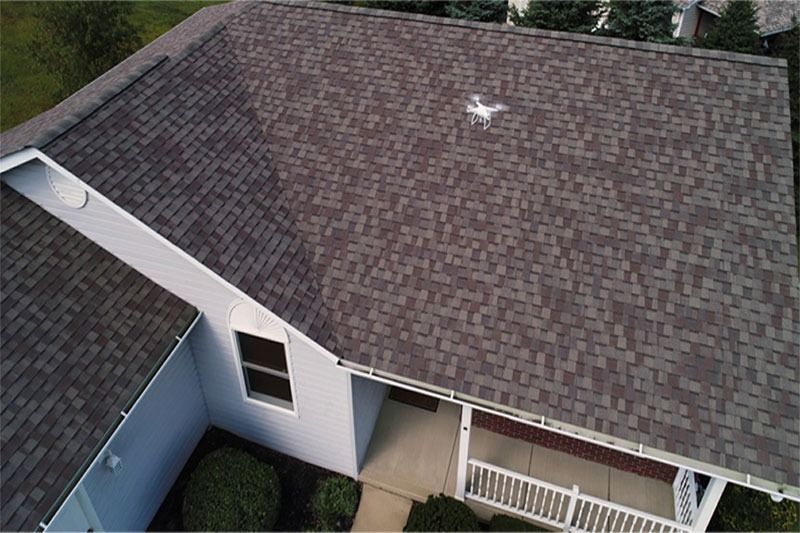
Aerial view of a gray-shingled house roof with a small white mark near the center
July 8, 2026
One of the most common questions homeowners ask us is simple: how long should my roof last? The honest answer depends on the material, the installation quality, and how well it’s maintained — but knowing the numbers can help you plan ahead and avoid being caught off guard by a costly replacement. Lifespan by roofing material Not all roofs are created equal. Here’s a realistic look at how long the most common residential roofing materials hold up: Most homes in South Jersey are covered with architectural (dimensional) asphalt shingles — a durable, cost-effective choice that, when properly installed and ventilated, reliably reaches or exceeds the 25–30 year mark. What shortens a roof’s life Even a high-quality roof can fail prematurely if certain conditions aren’t addressed. The biggest culprits we see are poor attic ventilation, which traps heat and moisture that literally bakes shingles from below; inadequate flashing around chimneys, skylights, and valleys that lets water creep under the surface; and deferred maintenance — small repairs left unattended that turn into large-scale damage. Installing a new roof directly over an existing layer of shingles (a “roof-over”) may save money upfront, but it traps moisture, adds weight, and can reduce the new roof’s lifespan by several years. A full tear-off is nearly always worth it. An experienced roofer can tell you quickly whether you’re dealing with a roof that has years of life left, or one that’s overdue. When in doubt, get an inspection — most reputable roofing companies offer them at no charge. Make the most of your warranty Today’s premium shingles come with significant manufacturer warranties — 30-year standard coverage and lifetime (50-year) options are widely available. But those warranties are only as strong as the installer. Using a certified contractor, like a GAF Factory Certified roofer, ensures the warranty is properly registered and honored. Keep your paperwork and take photos the day your roof is completed — it’s easier than you think to misplace that documentation when you need it a decade later. Not sure how much life your roof has left? Diamond Roofing offers free inspections across South Jersey

Show More →