
Is This the Summer to Replace Your Roof?
July 8, 2026

July 8, 2026

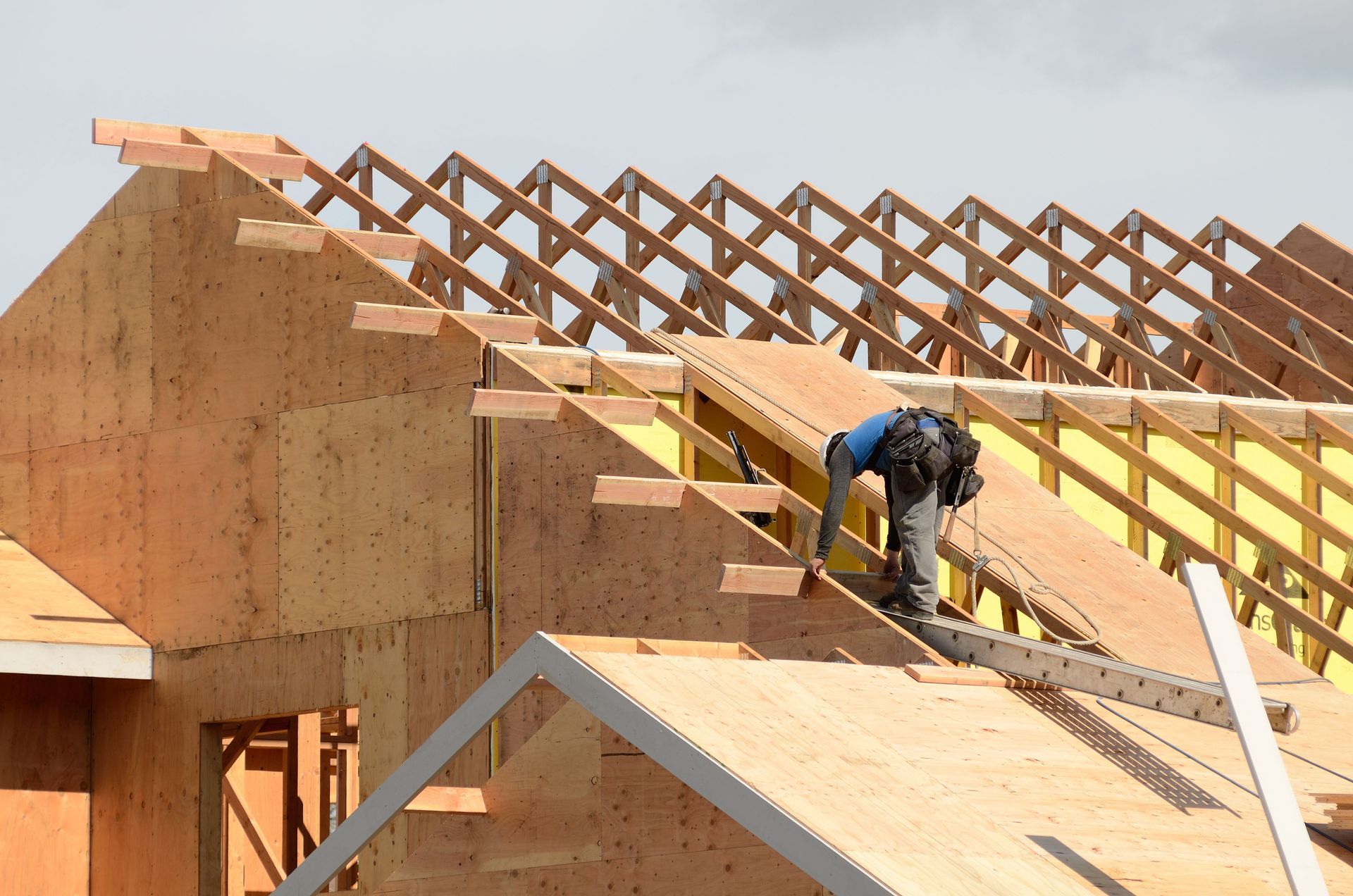
Worker in a red hoodie standing on a damaged roof, inspecting shingles on a house.

Photo by Jeff James on Unsplash

Summer is the most popular time of year for roof replacements in South Jersey — and for good reason. The weather window is reliable, longer daylight hours let crews work efficiently, and most homes can be completed in a single day without weather risk. If you’ve been putting off a roof decision, this is the season to stop waiting.

The harder question isn’t when — it’s whether. Here are six honest signals that tell you it’s time to stop repairing and start replacing.

1. Your roof is approaching or past 20 years old

Architectural asphalt shingles are rated for 25–30 years, but that rating assumes proper installation, adequate ventilation, and routine maintenance. In South Jersey’s climate — with its summer heat, freeze-thaw winters, and frequent storm activity — a roof that has been in place for 18–22 years without replacement is living on borrowed time. If you don’t know your roof’s age, check your home inspection report or give us a call — we can estimate it from condition.

2. You’ve repaired the same area more than once

One repair is maintenance. Two repairs in the same spot is a pattern. When a roof starts failing, it rarely fails in just one place — the underlying issues (decking deterioration, worn flashing, compromised underlayment) tend to be widespread. Repeated spot repairs are often the most expensive path to the same destination: a new roof.

A full replacement on a home that has been repeatedly patched typically costs less over a five-year window than continued repairs — and leaves you with a warrantied, known-good roof instead of a patchwork one with an uncertain remaining life.

3. You’re seeing granules in your gutters

Granule loss is the most visible sign of shingle aging. The asphalt granules that give shingles their color and UV protection shed gradually throughout a roof’s life — but heavy accumulation in gutters after summer storms means the shingles are in the later stages of their lifespan. Once significant granule loss sets in, the underlying asphalt is exposed to direct sun and degradation accelerates rapidly.

4. Shingles are curling, cracking, or losing tabs

Shingles that are cupping at the edges, curling upward at the center, cracking lengthwise, or missing tabs entirely have lost their structural integrity. These are not cosmetic issues — they are entry points for water and indicators of deeper deterioration. If you see these signs on more than a small isolated section, the roof as a whole is likely at or near end of life.

5. Your energy bills have crept up unexpectedly

An aging roof loses its reflectivity and its ability to work with your attic ventilation system. If your cooling costs have risen noticeably over the past few summers without a clear explanation, your roof may be a contributing factor. A new roof with proper ventilation and reflective shingle technology can meaningfully reduce summer cooling costs — sometimes enough to partially offset the replacement cost over time.

6. You’re planning to sell within the next 3–5 years

A roof that will be 15–20 years old at the time of a future sale is a negotiating liability. Buyers and their inspectors flag aging roofs routinely, and the resulting price reduction or repair credit almost always exceeds what a proactive replacement would have cost. Replacing now means you enjoy the benefits for several years, your home is marketed confidently, and there’s no last-minute scramble before closing.

Why summer is the best time to act


1. Reliable weather window. No freeze risk, no nor’easter season. Summer’s stable weather means fewer scheduling delays and a faster, cleaner installation.
2.
Longer working days.  Extended daylight hours allow Diamond Roofing’s crews to complete most South Jersey residential roofs in a single day — minimizing disruption and exposure risk.
3. Before the fall rush.  
Autumn is peak roofing season. Booking in June or July means better scheduling flexibility and faster completion than waiting until September.
4. Storm season protection.
 South Jersey’s summer storm season runs through August. A new roof with a 10-year workmanship warranty and full manufacturer coverage means you’re protected — not hoping the old one holds on.


One-day installs

Diamond Roofing completes most South Jersey residential replacements start-to-finish in a single day, with the full crew cleaning up completely before they leave.

Lowest price guarantee

We’ll beat any written competitor quote. There’s no reason to choose between a certified installer and a fair price — you can have both.


If even two or three of the signals above sound familiar, a free inspection is the right next step. There’s no pressure and no commitment — just a straightforward professional assessment that tells you exactly what you’re working with and what your options are.

roof installation
October 14, 2026
Learn what to consider before roof installation, from choosing materials to evaluating contractors, to help ensure a durable, reliable roofing system.
local roof installations
September 13, 2026
Investing in local roof installations shields residential structures against harsh seasonal weather conditions, preventing moisture intrusion and timber decay.
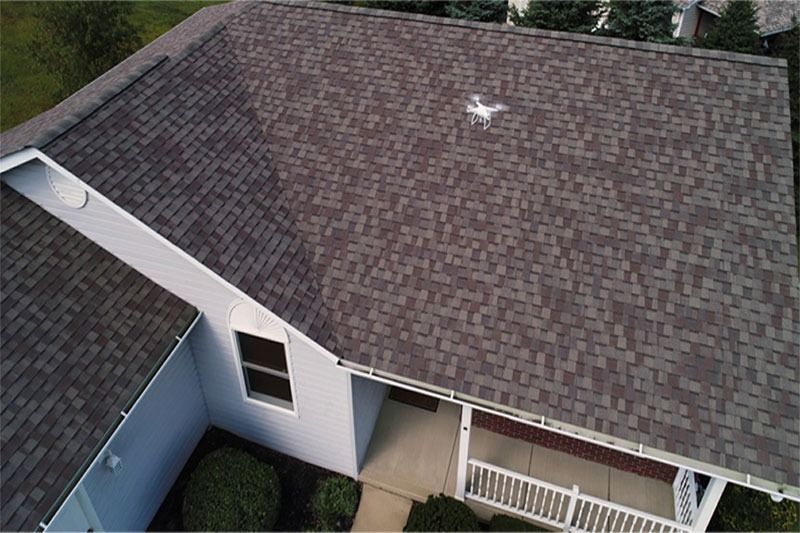
Aerial view of a gray-shingled house roof with a small white mark near the center
July 8, 2026
One of the most common questions homeowners ask us is simple: how long should my roof last? The honest answer depends on the material, the installation quality, and how well it’s maintained — but knowing the numbers can help you plan ahead and avoid being caught off guard by a costly replacement. Lifespan by roofing material Not all roofs are created equal. Here’s a realistic look at how long the most common residential roofing materials hold up: Most homes in South Jersey are covered with architectural (dimensional) asphalt shingles — a durable, cost-effective choice that, when properly installed and ventilated, reliably reaches or exceeds the 25–30 year mark. What shortens a roof’s life Even a high-quality roof can fail prematurely if certain conditions aren’t addressed. The biggest culprits we see are poor attic ventilation, which traps heat and moisture that literally bakes shingles from below; inadequate flashing around chimneys, skylights, and valleys that lets water creep under the surface; and deferred maintenance — small repairs left unattended that turn into large-scale damage. Installing a new roof directly over an existing layer of shingles (a “roof-over”) may save money upfront, but it traps moisture, adds weight, and can reduce the new roof’s lifespan by several years. A full tear-off is nearly always worth it. An experienced roofer can tell you quickly whether you’re dealing with a roof that has years of life left, or one that’s overdue. When in doubt, get an inspection — most reputable roofing companies offer them at no charge. Make the most of your warranty Today’s premium shingles come with significant manufacturer warranties — 30-year standard coverage and lifetime (50-year) options are widely available. But those warranties are only as strong as the installer. Using a certified contractor, like a GAF Factory Certified roofer, ensures the warranty is properly registered and honored. Keep your paperwork and take photos the day your roof is completed — it’s easier than you think to misplace that documentation when you need it a decade later. Not sure how much life your roof has left? Diamond Roofing offers free inspections across South Jersey

Show More →