
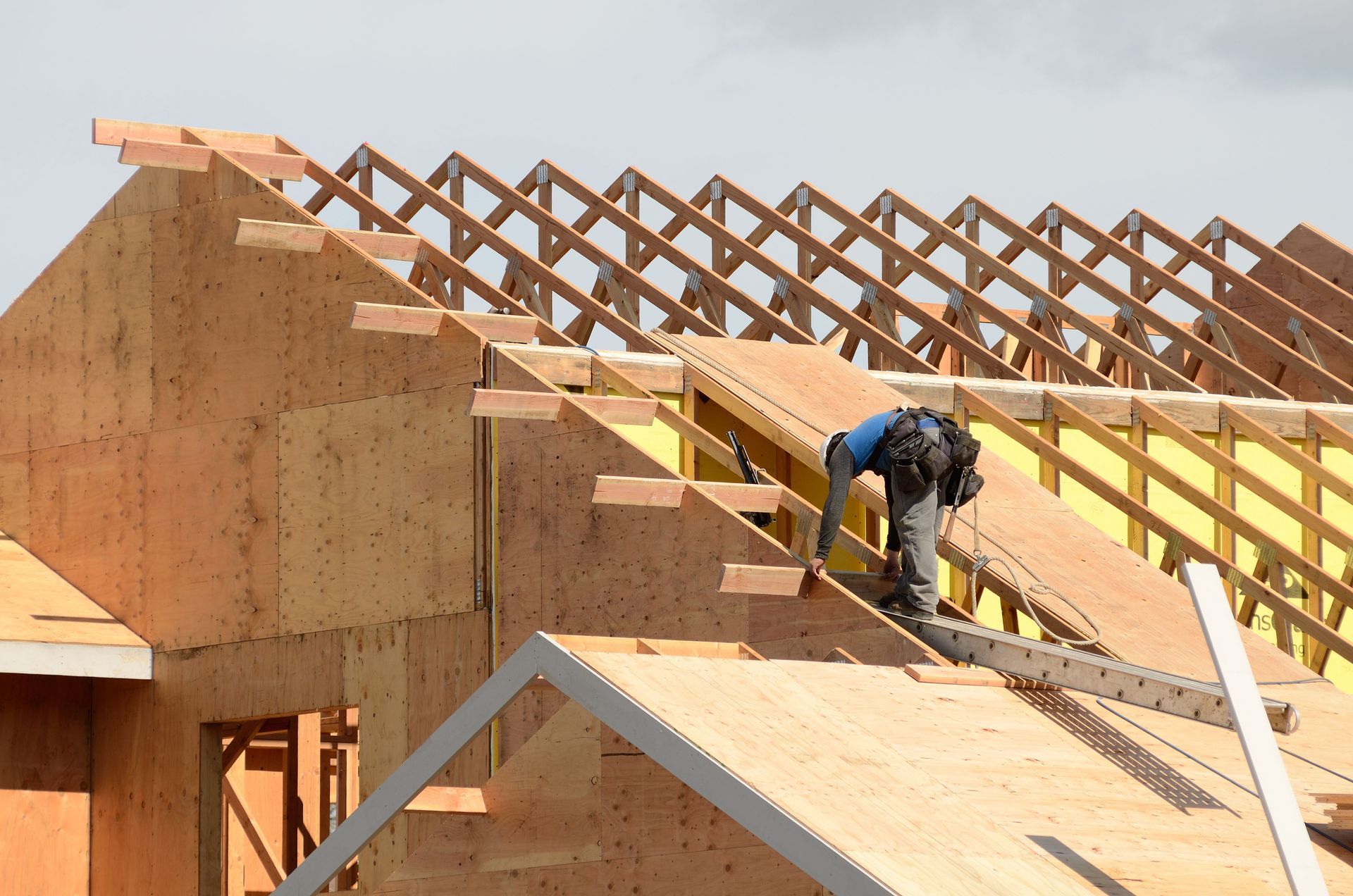

Investing in local roof installations shields residential structures against harsh seasonal weather conditions, preventing moisture intrusion and timber decay.
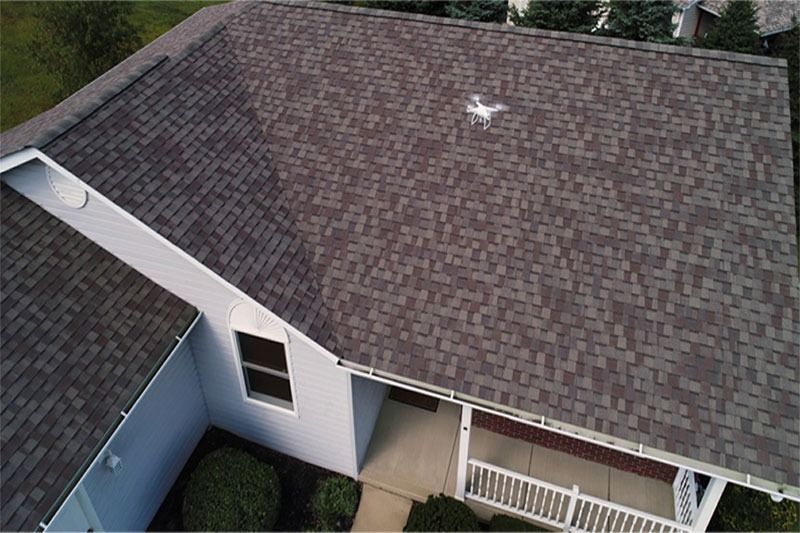
One of the most common questions homeowners ask us is simple: how long should my roof last? The honest answer depends on the material, the installation quality, and how well it’s maintained — but knowing the numbers can help you plan ahead and avoid being caught off guard by a costly replacement. Lifespan by roofing material Not all roofs are created equal. Here’s a realistic look at how long the most common residential roofing materials hold up: Most homes in South Jersey are covered with architectural (dimensional) asphalt shingles — a durable, cost-effective choice that, when properly installed and ventilated, reliably reaches or exceeds the 25–30 year mark. What shortens a roof’s life Even a high-quality roof can fail prematurely if certain conditions aren’t addressed. The biggest culprits we see are poor attic ventilation, which traps heat and moisture that literally bakes shingles from below; inadequate flashing around chimneys, skylights, and valleys that lets water creep under the surface; and deferred maintenance — small repairs left unattended that turn into large-scale damage. Installing a new roof directly over an existing layer of shingles (a “roof-over”) may save money upfront, but it traps moisture, adds weight, and can reduce the new roof’s lifespan by several years. A full tear-off is nearly always worth it. An experienced roofer can tell you quickly whether you’re dealing with a roof that has years of life left, or one that’s overdue. When in doubt, get an inspection — most reputable roofing companies offer them at no charge. Make the most of your warranty Today’s premium shingles come with significant manufacturer warranties — 30-year standard coverage and lifetime (50-year) options are widely available. But those warranties are only as strong as the installer. Using a certified contractor, like a GAF Factory Certified roofer, ensures the warranty is properly registered and honored. Keep your paperwork and take photos the day your roof is completed — it’s easier than you think to misplace that documentation when you need it a decade later. Not sure how much life your roof has left? Diamond Roofing offers free inspections across South Jersey

Spring is the best time to take stock of your roof’s health. After a South Jersey winter — with its freeze-thaw cycles, nor’easters, and heavy rains — your roof may have taken a beating you can’t see from the ground. Catching small problems now can save you thousands of dollars in repairs later. At Diamond Roofing, we’ve been inspecting and replacing roofs across South Jersey for decades, and we see the same warning signs every spring. Here’s what to watch for. 1. Shingles that are curling, cracking, or missing Walk your property line and look up. Asphalt shingles that are curling at the edges (called “cupping”) or lifting at the center (“clawing”) are losing their protective seal. Missing shingles — especially after winter storms — leave the underlayment exposed to moisture. Even a handful of damaged shingles can allow water to infiltrate the decking beneath. As a GAF Factory Certified roofer and Owens Corning Preferred Contractor, Diamond Roofing installs shingles backed by 30-year standard and lifetime 50-year warranties — so your next roof is built to last. 2. Granules accumulating in your gutters After cleaning your gutters this spring, take a look inside — or check the downspout drainage area. A small amount of granule loss is normal, but if you’re seeing large deposits of the dark, sand-like granules that coat asphalt shingles, that’s a sign your roof is aging out. Granules are what protect the asphalt core from UV rays. Without them, shingles degrade quickly. 3. Water stains on interior ceilings or attic rafters Head up to your attic on a bright day. Any daylight poking through? Any dark staining or moisture on the rafters? Interior water stains — even if they appear dry — indicate a leak that has already made it past the roof deck and into your living space. Left unaddressed, this creates mold risk and structural damage. 4. Sagging or uneven roof planes Stand back from your home and sight down the ridge line. A healthy roof should be straight and even. If any section appears to sag, bow, or dip, this can indicate compromised decking or structural issues underneath the shingles — problems that go well beyond a shingle replacement and require prompt professional evaluation. 5. Poorly ventilated attic leading to ice dams Did you notice icicles forming along your roofline this past winter? That’s often a sign of poor attic ventilation. When warm air escapes from a home into an insufficiently ventilated attic, it melts snow on the roof surface — only for it to refreeze at the cold eaves, forming damaging ice dams. Diamond Roofing specializes in attic ventilation systems and attic fans to prevent this cycle before next winter hits. What to do next If you spotted any of these issues — or haven’t had a professional inspection in a few years — spring is the ideal time to act. Roofing contractors book up fast once the summer season arrives, and addressing problems early typically means simpler, less expensive repairs. GAF Certified Factory Certified status means Diamond Roofing meets the highest installation standards — and can offer extended warranty coverage. Price guarantee Diamond Roofing offers the lowest prices — guaranteed — and will beat any written quote from a competitor. One-day installs Most residential roof replacements are completed in a single day, with the crew cleaning up thoroughly before they leave. 10-year workmanship warranty Every Diamond Roofing project includes a 10-year workmanship warranty in addition to the manufacturer’s shingle warranty. Your roof is the first and most important line of defense for your home and family. Don’t wait until a small issue becomes a major expense. Diamond Roofing serves homeowners across South Jersey — give us a call, and we’ll return your message within 24 hours.