
Summer Storm Damage — What To Do
July 8, 2026

July 8, 2026

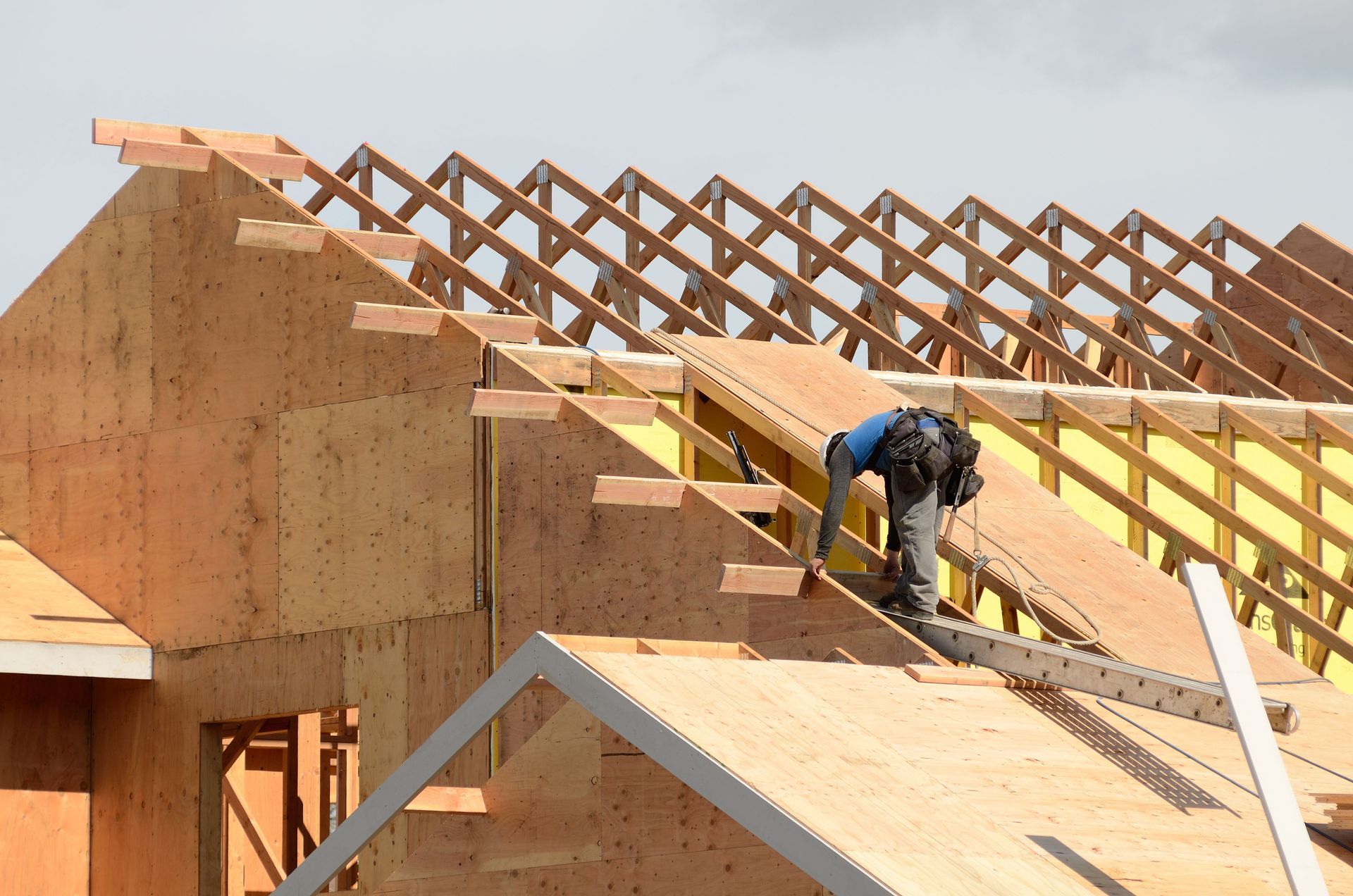
Worker in a red hoodie standing on a damaged roof, inspecting shingles on a house.

South Jersey summers are beautiful — until they’re not. A fast-moving thunderstorm can drop golf ball hail, snap tree limbs onto rooftops, and peel up shingles in under ten minutes. By the time the sun comes back out, the damage is done and the clock is ticking.

The actions you take in the first 48 hours after a storm hit directly impact both your roof’s recovery and your ability to file a successful insurance claim. Here’s a clear, step-by-step guide from the team at Diamond Roofing — people who work through South Jersey storm season every single year.

Step 1: Stay safe — don’t go on the roof

The instinct to check the damage yourself is completely understandable. Resist it. A freshly storm-hit roof may have compromised decking, displaced shingles, or debris that makes footing unpredictable. Wet surfaces after a summer storm are particularly dangerous. Your job right now is documentation and assessment from the ground — leave the roof itself to a professional.

Step 2: Document everything before it’s cleaned up

Before any cleanup begins, take photos and video from every angle you can safely reach — street view, side yard, backyard. Capture the date and time in your images. If your phone’s camera includes GPS metadata, great; if not, note the location manually. Also photograph any interior signs of damage: ceiling stains, wet insulation in the attic, water intrusion around skylights or chimneys.

Insurance adjusters work from documentation. The more thorough your photo record — taken immediately after the storm, before any cleanup — the stronger your position when the claim is reviewed. A few extra minutes with your phone camera is some of the highest-value work you’ll do in this process.

Step 3: Prevent additional water damage

If there’s active water intrusion, limit the spread. Move valuables away from wet areas, place buckets under active drips, and lay down towels or plastic sheeting on flooring. If a tarp can be safely placed over a visibly breached section without going on the roof, do it — most insurers expect homeowners to take “reasonable steps” to prevent further damage, and this demonstrates good faith. Do not attempt anything that puts you at height or at risk.

Step 4: Call a trusted local roofer before your insurance company

This is the step most homeowners skip — and it’s the most important one. A licensed local contractor can perform a professional assessment and provide written documentation of the damage before your insurer’s adjuster arrives. That contractor report carries significant weight in the claims process and can prevent the common scenario where an adjuster minimizes damage that’s real and serious.

 Storm chaser warning: After major South Jersey storms, out-of-state “storm chasing” contractors appear in neighborhoods offering free inspections and promising to handle everything through insurance. Many are unlicensed, uninsured, and will disappear after collecting your deductible. Always verify NJ licensure before allowing any contractor on your property. Diamond Roofing’s NJ Home Improvement Contractor license is #13VH01716900.

Step 5: File your claim promptly and completely

Most homeowners’ insurance policies require storm damage claims to be filed within a specific window — often one year from the date of the event, though some policies are shorter. Don’t wait. Contact your insurer, file the claim, and request an adjuster visit. Have your contractor’s written assessment in hand before that appointment.

Your 48-hour action checklist

  1. 1
    Stay off the roof
  2.  — assess damage from the ground only2
    Photograph everything
  3.  — exterior and interior, timestamped, before any cleanup3
    Prevent further damage
  4.  — tarps, buckets, plastic sheeting as needed safely4
    Call Diamond Roofing
  5.  — get a professional written assessment in hand first5
    Contact your insurer
  6.  — file the claim with your contractor documentation ready6
    Verify any contractor’s credentials
  7.  — NJ licensure, insurance, and local references

Understanding hail damage — the invisible threat

Wind damage is obvious. Hail damage is not. Hail impacts can crack the bond between the granules and the asphalt surface without leaving a visible dent or producing an immediate leak. This “bruised shingle” condition allows UV radiation to attack the exposed asphalt, dramatically shortening the roof’s remaining life — and is specifically covered under most homeowners’ policies as sudden, accidental damage.

If hail fell in your neighborhood, have a professional look at your roof — even if you can’t see obvious damage from the ground. The inspection is free. The information could save you from a premature replacement paid entirely out of pocket, or catch a legitimate claim before the filing window closes.

We work with insurance

Diamond Roofing provides written damage assessments, works directly with adjusters, and has helped South Jersey homeowners navigate storm claims for decades.

Fast response

We return all calls within 24 hours and prioritize storm-related inspections. After a major event, we mobilize quickly to serve the communities we’ve worked in for 30+ years.

The storm passed. The next step is yours — and the sooner you take it, the better your outcome. Diamond Roofing is one call away.

roof installation
October 14, 2026
Learn what to consider before roof installation, from choosing materials to evaluating contractors, to help ensure a durable, reliable roofing system.

local roof installations
September 13, 2026
Investing in local roof installations shields residential structures against harsh seasonal weather conditions, preventing moisture intrusion and timber decay.
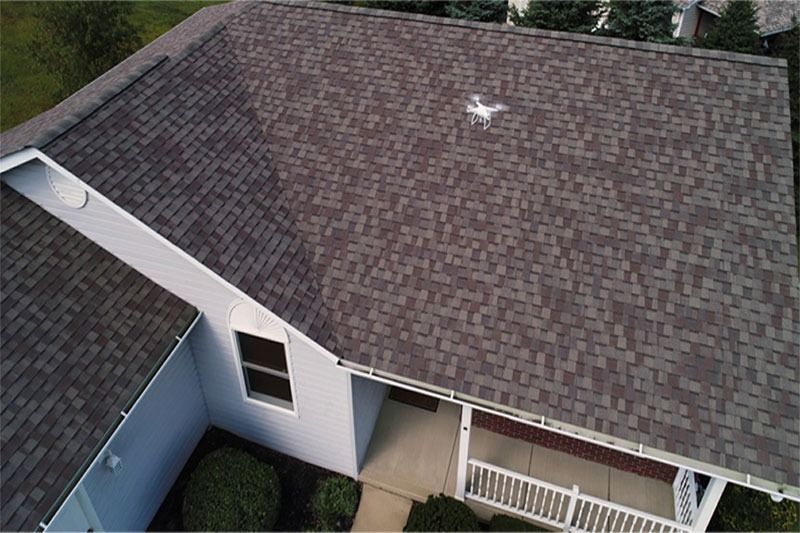
Aerial view of a gray-shingled house roof with a small white mark near the center
July 8, 2026
One of the most common questions homeowners ask us is simple: how long should my roof last? The honest answer depends on the material, the installation quality, and how well it’s maintained — but knowing the numbers can help you plan ahead and avoid being caught off guard by a costly replacement. Lifespan by roofing material Not all roofs are created equal. Here’s a realistic look at how long the most common residential roofing materials hold up: Most homes in South Jersey are covered with architectural (dimensional) asphalt shingles — a durable, cost-effective choice that, when properly installed and ventilated, reliably reaches or exceeds the 25–30 year mark. What shortens a roof’s life Even a high-quality roof can fail prematurely if certain conditions aren’t addressed. The biggest culprits we see are poor attic ventilation, which traps heat and moisture that literally bakes shingles from below; inadequate flashing around chimneys, skylights, and valleys that lets water creep under the surface; and deferred maintenance — small repairs left unattended that turn into large-scale damage. Installing a new roof directly over an existing layer of shingles (a “roof-over”) may save money upfront, but it traps moisture, adds weight, and can reduce the new roof’s lifespan by several years. A full tear-off is nearly always worth it. An experienced roofer can tell you quickly whether you’re dealing with a roof that has years of life left, or one that’s overdue. When in doubt, get an inspection — most reputable roofing companies offer them at no charge. Make the most of your warranty Today’s premium shingles come with significant manufacturer warranties — 30-year standard coverage and lifetime (50-year) options are widely available. But those warranties are only as strong as the installer. Using a certified contractor, like a GAF Factory Certified roofer, ensures the warranty is properly registered and honored. Keep your paperwork and take photos the day your roof is completed — it’s easier than you think to misplace that documentation when you need it a decade later. Not sure how much life your roof has left? Diamond Roofing offers free inspections across South Jersey

Show More →