

Seamless gutters vs. sectional gutters: what South Jersey homeowners need to know
July 8, 2026

July 8, 2026

Worker in a red hoodie standing on a damaged roof, inspecting shingles on a house.

Most homeowners don’t think about their gutters until something goes wrong — a leak at a joint, a section pulling away from the fascia, or water showing up where it shouldn’t. By then, the damage has often already started. The good news is that choosing the right gutter system from the start eliminates most of these problems before they begin.

If you’re building a home, replacing an existing roof, or dealing with failing gutters, here’s what you should know about your options.

How sectional gutters work — and where they fail

Sectional gutters — the traditional option — are assembled from pre-cut lengths of gutter that are connected at joints with sealants and connectors. They’re sold in home improvement stores, can be installed by handy homeowners, and have been standard practice for decades. Their weakness is inherent in their design: every joint is a potential failure point.

South Jersey’s climate is particularly hard on sectional gutter joints. Freeze-thaw cycles cause repeated expansion and contraction throughout winter, breaking down sealants over time. Once a joint starts to separate, water escapes behind the fascia board — the beginning of wood rot and potential foundation drainage problems. Sectional gutters typically require re-sealing every few years and full replacement within 15–20 years even with maintenance.

What makes seamless gutters different

Seamless gutters are fabricated on-site using a roll-forming machine that produces a single continuous length of aluminum — custom-cut to the exact dimensions of each run on your home. There are no joints along the length of the gutter, only at the corners and downspout connections. The result is a system with dramatically fewer points of failure and a significantly longer service life.

Because seamless gutters are fabricated on-site to your home’s exact measurements, every corner, slope, and downspout connection is custom-fit — not adjusted from stock lengths. The difference in fit and long-term performance is significant.

The side-by-side comparison

1. Leak resistance. Seamless gutters have no mid-run joints, eliminating the most common source of gutter leaks. Sectional gutters develop joint failures over time regardless of maintenance.2
2. Appearance.
 Seamless gutters have a clean, uninterrupted profile that runs flush against the roofline. Sectional gutters show visible seams every 10–12 feet, which become more pronounced as sealants age and discolor.
3. Maintenance.
 Both gutter types require regular cleaning. Seamless gutters require significantly less joint maintenance and re-sealing. Sectional gutters need periodic re-caulking at every joint — a recurring cost that adds up.
4. Lifespan.
 Quality aluminum seamless gutters typically last 20–30 years with normal care. Sectional gutters average 10–20 years before joint failures become chronic.
5. Cost.
Seamless gutters cost more to install — professional fabrication and installation are required. But the reduced maintenance and longer lifespan almost always make them the better value over a 10+ year window.

Gutter guards: worth it or not?

If your home has significant tree coverage — common throughout South Jersey’s older neighborhoods — gutter guards are worth serious consideration. A quality micro-mesh guard keeps debris out while allowing water to flow freely, reducing cleaning frequency from twice a year to occasional inspection. They’re not maintenance-free, but they fundamentally change the maintenance equation.

Lower-quality screen-style guards can create their own problems by allowing fine debris through while trapping larger pieces on top. If you’re investing in seamless gutters, invest in a quality guard system — the combination is the longest-lasting, lowest-maintenance gutter solution available.

What Diamond Roofing installs

Custom-fabricated aluminum seamless gutters in a full range of colors, sized and sloped for optimal drainage on your specific roofline.

Gutter guard options

We install micro-mesh gutter guard systems designed to work with our seamless gutters — reducing cleaning and preventing the conditions that lead to ice dams.

Whether you’re replacing your roof and want to address the full drainage system at once, or dealing with gutters that are already failing, Diamond Roofing can assess, recommend, and install the right solution for your home. We return all calls within 24 hours.

roof installation
October 14, 2026
Learn what to consider before roof installation, from choosing materials to evaluating contractors, to help ensure a durable, reliable roofing system.

local roof installations
September 13, 2026
Investing in local roof installations shields residential structures against harsh seasonal weather conditions, preventing moisture intrusion and timber decay.
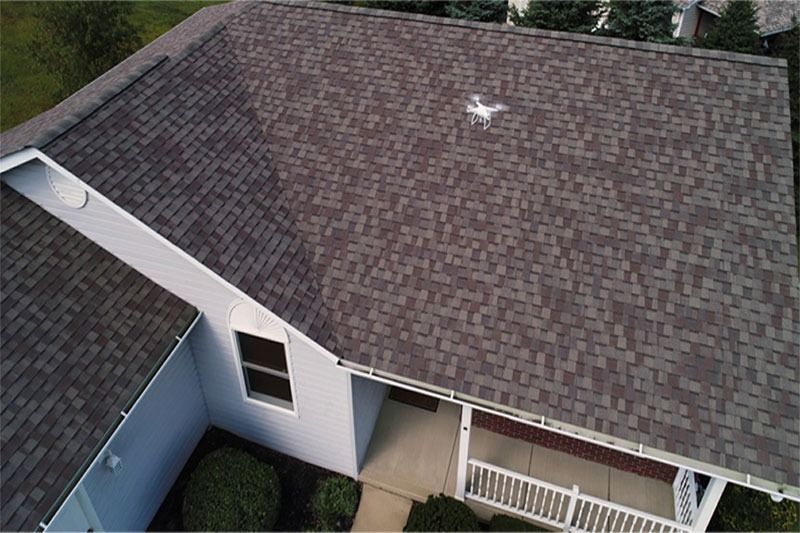
Aerial view of a gray-shingled house roof with a small white mark near the center
July 8, 2026
One of the most common questions homeowners ask us is simple: how long should my roof last? The honest answer depends on the material, the installation quality, and how well it’s maintained — but knowing the numbers can help you plan ahead and avoid being caught off guard by a costly replacement. Lifespan by roofing material Not all roofs are created equal. Here’s a realistic look at how long the most common residential roofing materials hold up: Most homes in South Jersey are covered with architectural (dimensional) asphalt shingles — a durable, cost-effective choice that, when properly installed and ventilated, reliably reaches or exceeds the 25–30 year mark. What shortens a roof’s life Even a high-quality roof can fail prematurely if certain conditions aren’t addressed. The biggest culprits we see are poor attic ventilation, which traps heat and moisture that literally bakes shingles from below; inadequate flashing around chimneys, skylights, and valleys that lets water creep under the surface; and deferred maintenance — small repairs left unattended that turn into large-scale damage. Installing a new roof directly over an existing layer of shingles (a “roof-over”) may save money upfront, but it traps moisture, adds weight, and can reduce the new roof’s lifespan by several years. A full tear-off is nearly always worth it. An experienced roofer can tell you quickly whether you’re dealing with a roof that has years of life left, or one that’s overdue. When in doubt, get an inspection — most reputable roofing companies offer them at no charge. Make the most of your warranty Today’s premium shingles come with significant manufacturer warranties — 30-year standard coverage and lifetime (50-year) options are widely available. But those warranties are only as strong as the installer. Using a certified contractor, like a GAF Factory Certified roofer, ensures the warranty is properly registered and honored. Keep your paperwork and take photos the day your roof is completed — it’s easier than you think to misplace that documentation when you need it a decade later. Not sure how much life your roof has left? Diamond Roofing offers free inspections across South Jersey

Show More →