
How South Jersey summers punish your roof — and what you can do about it
July 8, 2026

July 8, 2026

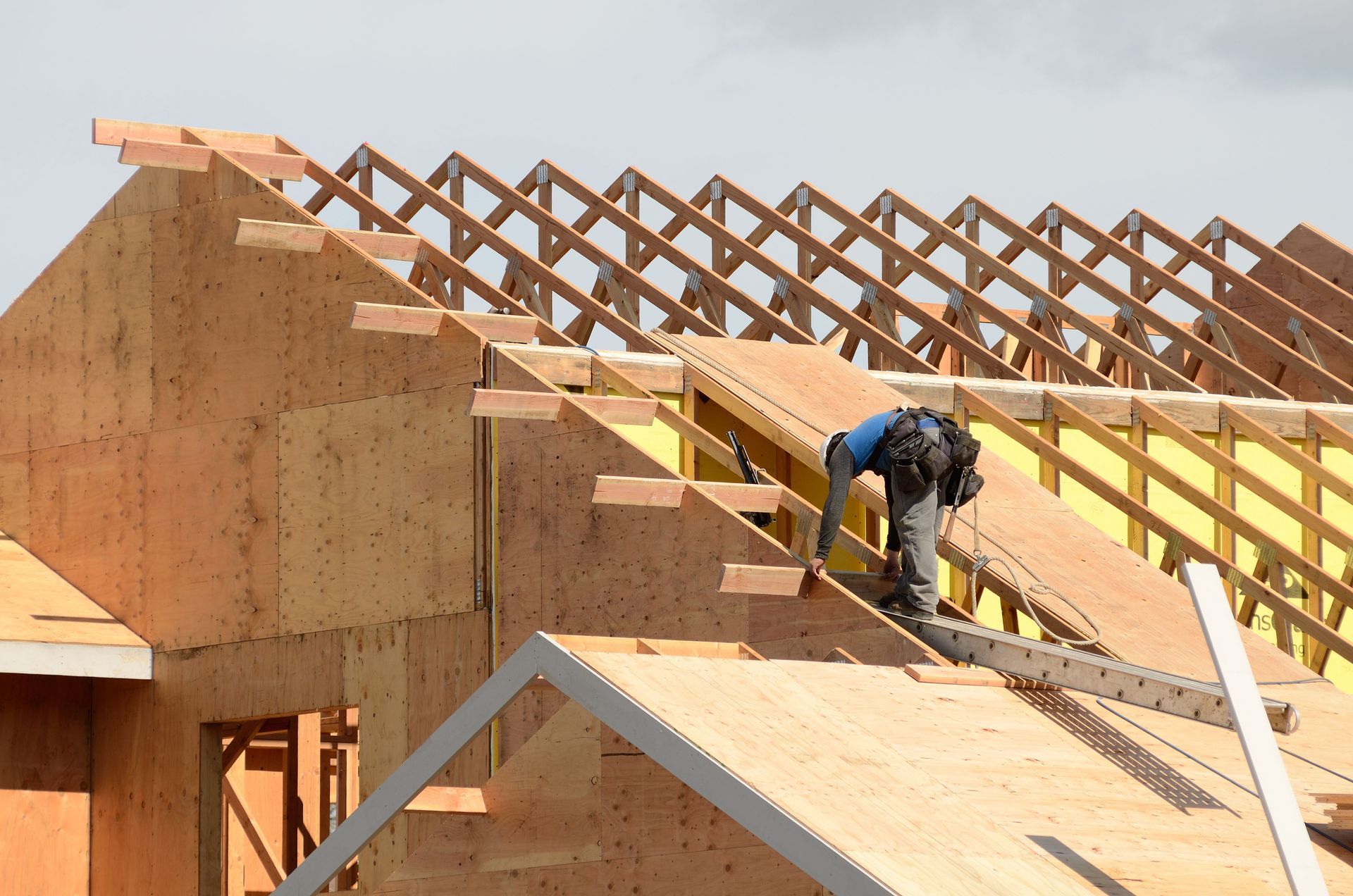
Worker in a red hoodie standing on a damaged roof, inspecting shingles on a house.

Photo by Y M on Unsplash

South Jersey summers don’t ease in. By June, you’re dealing with sustained heat, high humidity, and the kind of afternoon thunderstorms that can drop a month’s worth of rain in forty minutes. Your HVAC works overtime. Your lawn browns out. And your roof — quietly and mostly invisibly — is under more stress than it faces any other time of year.

Most homeowners don’t think about their roof in summer at all. But the months between Memorial Day and Labor Day are when the damage accumulates fastest, and when a few small problems can turn into big ones before fall inspections catch them.

The heat problem: what happens above your ceiling

On a typical South Jersey summer day with temperatures in the low 90s, the surface temperature of a dark asphalt shingle roof can reach 150–170°F. That heat doesn’t just sit on the surface — it penetrates the shingles, raises attic temperatures to dangerous levels, and radiates down into your living space, forcing your air conditioning to work significantly harder.

160°F

Typical dark shingle surface temp on a hot summer day

30%

Potential AC energy savings with proper attic ventilation

5–10yrs

Lifespan reduction from chronic summer heat damage

The sustained thermal cycling — heating up each day and cooling overnight — is one of the most destructive forces acting on your shingles. The asphalt binder that holds shingles together expands and contracts with each cycle, accelerating granule loss and causing shingles to curl, blister, and crack over time. This is why a roof in a poorly ventilated home may fail well before its rated lifespan.

What good summer ventilation looks like

The solution isn’t complicated — it’s about keeping the attic air moving so heat doesn’t build up. A balanced system draws cool air in at the soffits and exhausts hot air out through the ridge. When this system works correctly, attic temperatures stay within 10–20 degrees of outdoor temperature, dramatically reducing the heat load on both the roof and your HVAC system.

Diamond Roofing specializes in attic ventilation and installs attic exhaust fans alongside every roof replacement. If your current system is inadequate — which is common in South Jersey homes built before 2000 — a ventilation upgrade is one of the highest-ROI improvements you can make to your home’s comfort and efficiency.

Summer storms and what they leave behind

South Jersey’s summer storm pattern is relentless. Afternoon convective storms roll in fast, drop significant rain, and often bring damaging wind gusts and hail. Each one is a potential roof event — and the damage isn’t always obvious from the ground.

Hail damage in particular is deceptive. Impacts that leave no visible dent can still crack the bond between granules and the asphalt surface, creating thousands of tiny entry points for moisture. This type of damage may not produce a leak for months — but it dramatically shortens shingle life and is typically covered by homeowners’ insurance.


Signs of summer roof stress to watch for


  • Shingles that appear blistered, bubbled, or warped when viewed at an angle
  • Granule buildup in gutters after summer storms — a sign of accelerated aging
    Second-floor rooms that are noticeably hotter than the rest of the house
  • Energy bills higher than expected relative to the same period in prior years
  • Visible dark spots or discoloration on shingles after hailstorms
  • Water stains on attic rafters or ceiling after heavy rain


The best time to schedule a summer inspection

Early summer — May through June — is ideal. Contractors aren’t yet fully booked with the storm-season rush, temperatures are manageable for crew work, and catching any winter or spring damage before the peak heat weeks means smaller, less costly repairs. Diamond Roofing offers free inspections and returns all calls within 24 hours. If you haven’t had a professional look at your roof since last fall, early summer is the right time.

Cool-roof shingles

GAF and Owens Corning both offer reflective shingle lines that reduce surface heat absorption — worth discussing on any new installation.

Attic fans

A solar-powered attic fan can reduce attic temps by 40°F or more — one of the most cost-effective summer upgrades Diamond Roofing installs.

Don’t let summer heat silently shorten your roof’s life.

roof installation
October 14, 2026
Learn what to consider before roof installation, from choosing materials to evaluating contractors, to help ensure a durable, reliable roofing system.
local roof installations
September 13, 2026
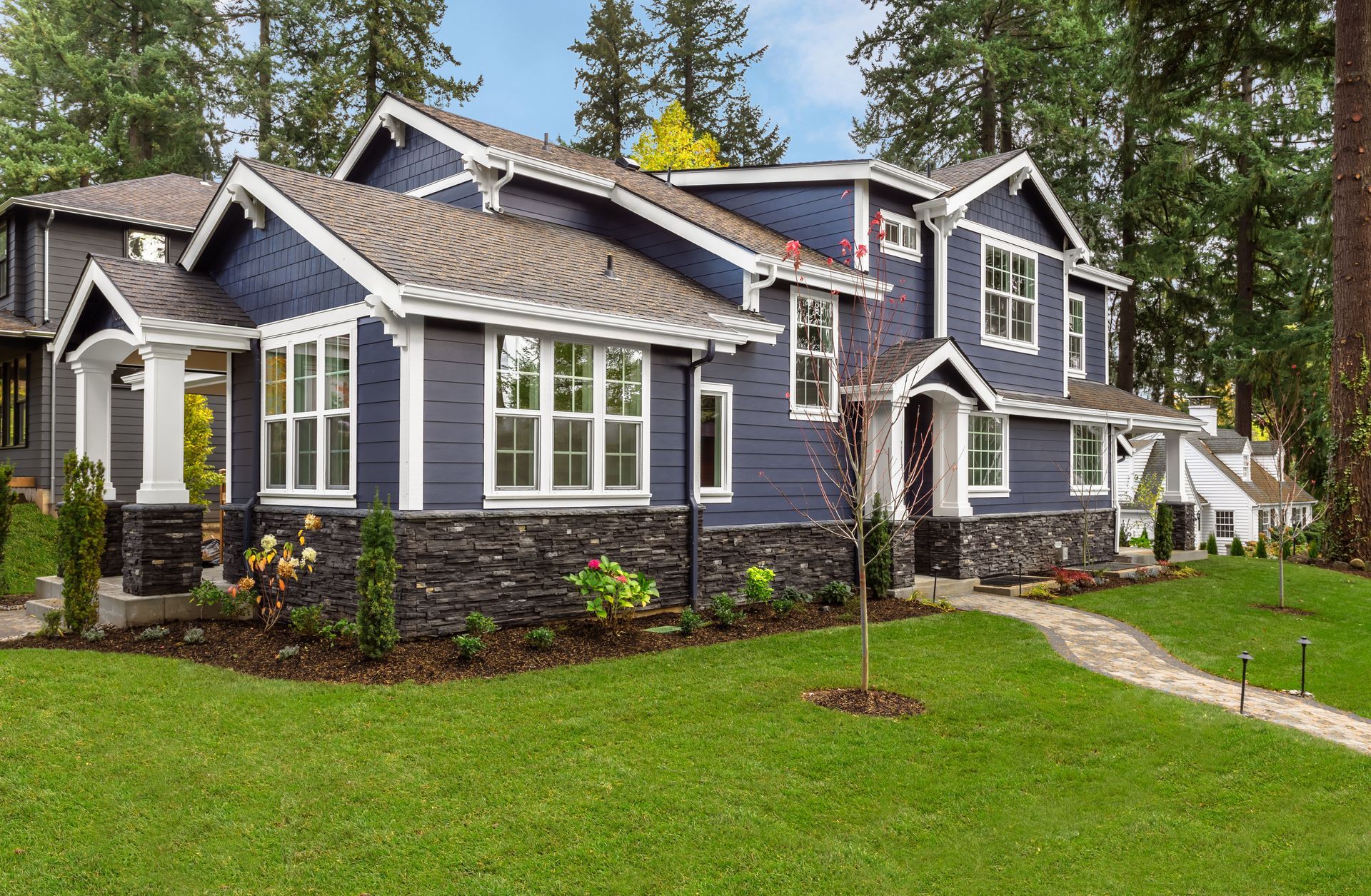
Investing in local roof installations shields residential structures against harsh seasonal weather conditions, preventing moisture intrusion and timber decay.
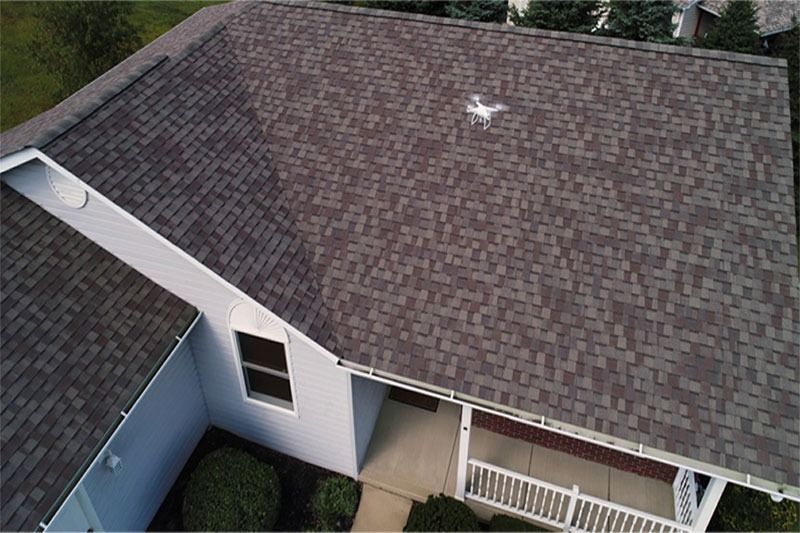
Aerial view of a gray-shingled house roof with a small white mark near the center
July 8, 2026
One of the most common questions homeowners ask us is simple: how long should my roof last? The honest answer depends on the material, the installation quality, and how well it’s maintained — but knowing the numbers can help you plan ahead and avoid being caught off guard by a costly replacement. Lifespan by roofing material Not all roofs are created equal. Here’s a realistic look at how long the most common residential roofing materials hold up: Most homes in South Jersey are covered with architectural (dimensional) asphalt shingles — a durable, cost-effective choice that, when properly installed and ventilated, reliably reaches or exceeds the 25–30 year mark. What shortens a roof’s life Even a high-quality roof can fail prematurely if certain conditions aren’t addressed. The biggest culprits we see are poor attic ventilation, which traps heat and moisture that literally bakes shingles from below; inadequate flashing around chimneys, skylights, and valleys that lets water creep under the surface; and deferred maintenance — small repairs left unattended that turn into large-scale damage. Installing a new roof directly over an existing layer of shingles (a “roof-over”) may save money upfront, but it traps moisture, adds weight, and can reduce the new roof’s lifespan by several years. A full tear-off is nearly always worth it. An experienced roofer can tell you quickly whether you’re dealing with a roof that has years of life left, or one that’s overdue. When in doubt, get an inspection — most reputable roofing companies offer them at no charge. Make the most of your warranty Today’s premium shingles come with significant manufacturer warranties — 30-year standard coverage and lifetime (50-year) options are widely available. But those warranties are only as strong as the installer. Using a certified contractor, like a GAF Factory Certified roofer, ensures the warranty is properly registered and honored. Keep your paperwork and take photos the day your roof is completed — it’s easier than you think to misplace that documentation when you need it a decade later. Not sure how much life your roof has left? Diamond Roofing offers free inspections across South Jersey

Show More →