Tear-off vs. Roof-over: Why the cheaper option usually costs more in the long run
July 8, 2026

July 8, 2026

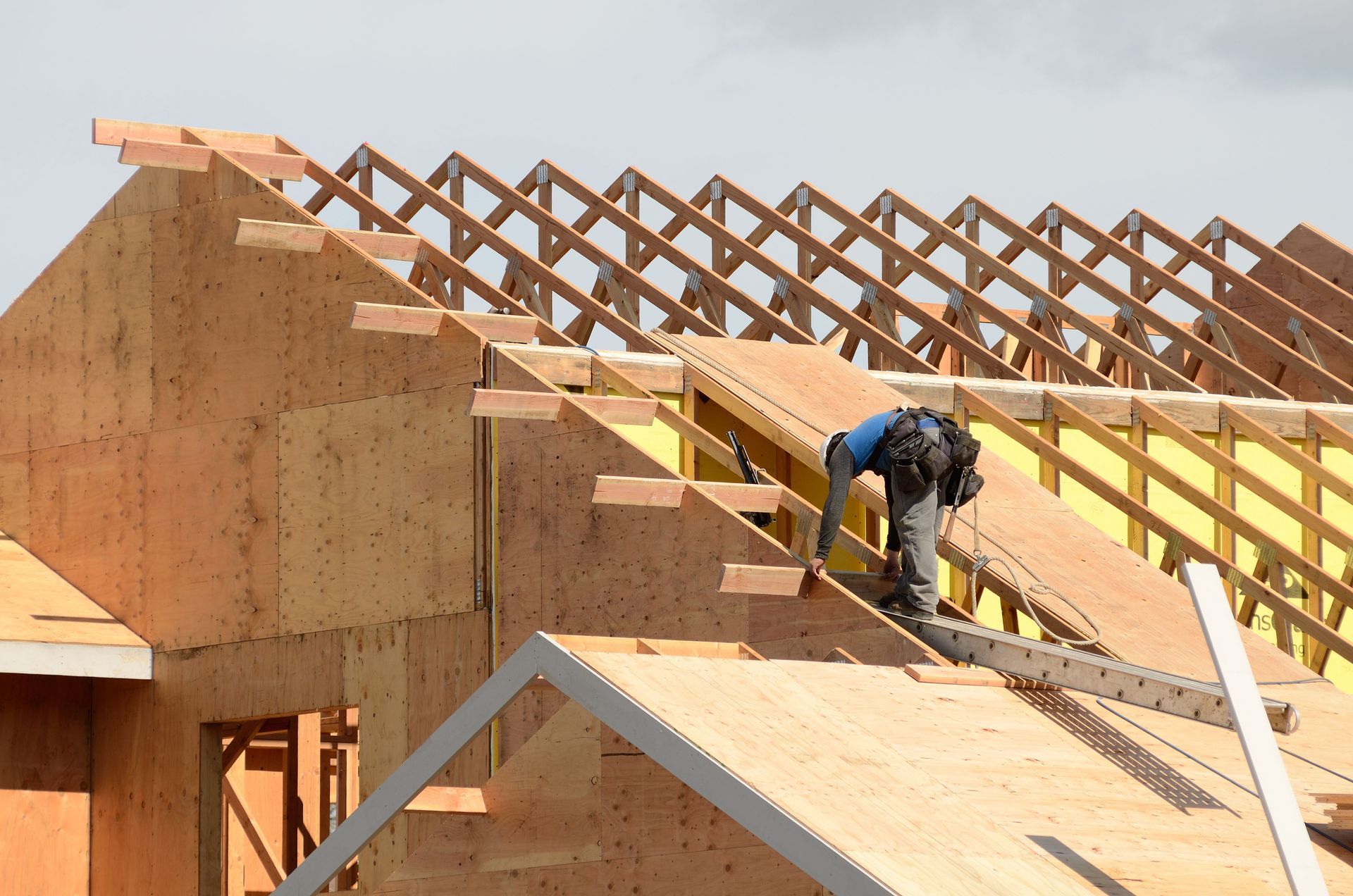
Worker in a red hoodie standing on a damaged roof, inspecting shingles on a house.

When it’s time for a new roof, homeowners are often presented with two options: a full tear-off — stripping the existing shingles down to the deck before installing new ones — or a roof-over, where a new layer of shingles is installed directly on top of the old ones. The roof-over is almost always the cheaper quote. It’s also almost always the wrong choice.

Here’s what every South Jersey homeowner should understand before signing a contract.

What is a roof-over?

A roof-over (also called a “recover” or “lay-over”) installs new shingles directly on top of an existing layer without removing what’s underneath. It’s faster, requires less labor, and generates no disposal costs — which is why some contractors offer it at a significantly lower price point. New Jersey code permits a maximum of two total shingle layers on a residential roof, so it’s technically allowed in many cases — but permitted doesn’t mean advisable.

Why tear-offs produce better roofs

A full tear-off exposes the roof deck — the plywood or OSB sheathing beneath — so it can be fully inspected and repaired before the new roof goes on. This matters more than most homeowners realize. Water damage, rot, soft spots, and compromised decking are extremely common on roofs that are being replaced, and none of these can be detected or addressed without removing the existing shingles first.

On a significant percentage of the tear-offs we complete in South Jersey, we find at least some deck damage that would have been buried under a new layer — damage that doesn’t go away, but quietly continues to spread.

The real cost comparison

FactorRoof-OverFull Tear-OffUpfront costLowerHigherDeck inspectionImpossible — hiddenFull visibility & repairNew roof lifespanReduced — heat trappedFull rated lifespanShingle warrantyOften voided or limitedFull manufacturer coverageAdded roof weightDoubles — stress on structureSingle layer — no added loadFuture removal costTwo layers to strip next timeSingle layer — standard costInsurance & resaleSome insurers penalizeClean record, transferable warranty

The warranty problem

This one is critical. Most major shingle manufacturers — including GAF and Owens Corning — either void or significantly limit their warranty coverage when shingles are installed over an existing layer. That 30-year or lifetime warranty you’re paying for? It may not apply. A certified contractor installing over a proper tear-off can register a full manufacturer warranty on your behalf. A contractor installing over old shingles often cannot.

The heat problem

Installing new shingles over old ones traps heat between the layers. That added heat load accelerates the aging of your new shingles from the moment they’re installed — shortening a 25–30 year roof to 15–20 years in some cases. Combined with the inability to inspect the deck, a roof-over is essentially a short-term fix wearing the clothes of a long-term solution.

When is a roof-over ever acceptable?

In rare circumstances — where the existing single layer is in excellent condition, the deck has been recently documented as sound, and the homeowner has a specific short-term reason to minimize cost — a roof-over can be a reasonable temporary measure. But it should be the exception, presented with full transparency about its limitations, not the default offering from a contractor looking to win a bid.

What Diamond Roofing does

We perform full tear-offs on every replacement job, inspect and document the deck, and repair any damaged sheathing before a single new shingle goes down.

Ask before you sign

If a quote doesn’t specify a full tear-off, ask directly. Any legitimate contractor should be able to explain exactly what they’re proposing — and why.

The cheapest quote isn’t always the best value. Understanding what you’re buying — and what you’re not — is the single most important thing a homeowner can do before a roof replacement.

Want to know what a proper roof replacement looks like?

roof installation
October 14, 2026
Learn what to consider before roof installation, from choosing materials to evaluating contractors, to help ensure a durable, reliable roofing system.
local roof installations
September 13, 2026
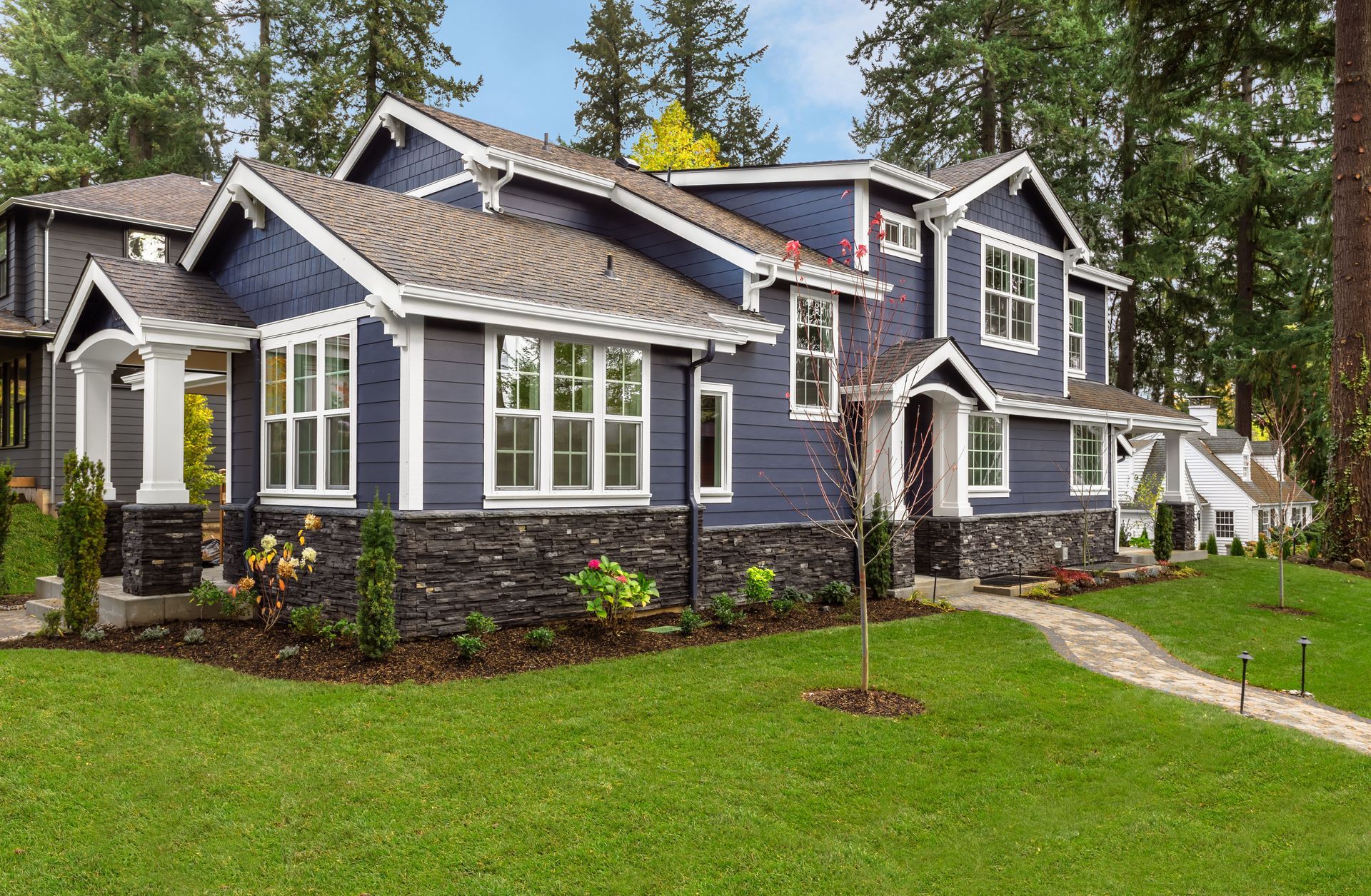
Investing in local roof installations shields residential structures against harsh seasonal weather conditions, preventing moisture intrusion and timber decay.
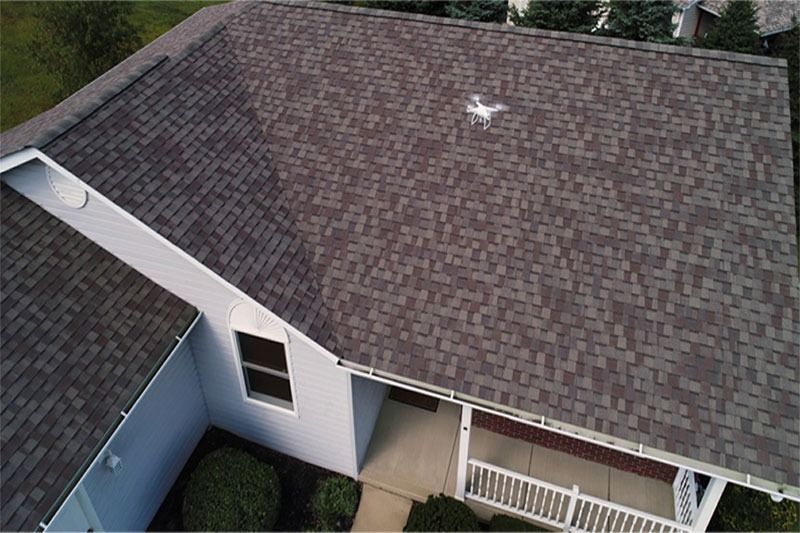
Aerial view of a gray-shingled house roof with a small white mark near the center
July 8, 2026
One of the most common questions homeowners ask us is simple: how long should my roof last? The honest answer depends on the material, the installation quality, and how well it’s maintained — but knowing the numbers can help you plan ahead and avoid being caught off guard by a costly replacement. Lifespan by roofing material Not all roofs are created equal. Here’s a realistic look at how long the most common residential roofing materials hold up: Most homes in South Jersey are covered with architectural (dimensional) asphalt shingles — a durable, cost-effective choice that, when properly installed and ventilated, reliably reaches or exceeds the 25–30 year mark. What shortens a roof’s life Even a high-quality roof can fail prematurely if certain conditions aren’t addressed. The biggest culprits we see are poor attic ventilation, which traps heat and moisture that literally bakes shingles from below; inadequate flashing around chimneys, skylights, and valleys that lets water creep under the surface; and deferred maintenance — small repairs left unattended that turn into large-scale damage. Installing a new roof directly over an existing layer of shingles (a “roof-over”) may save money upfront, but it traps moisture, adds weight, and can reduce the new roof’s lifespan by several years. A full tear-off is nearly always worth it. An experienced roofer can tell you quickly whether you’re dealing with a roof that has years of life left, or one that’s overdue. When in doubt, get an inspection — most reputable roofing companies offer them at no charge. Make the most of your warranty Today’s premium shingles come with significant manufacturer warranties — 30-year standard coverage and lifetime (50-year) options are widely available. But those warranties are only as strong as the installer. Using a certified contractor, like a GAF Factory Certified roofer, ensures the warranty is properly registered and honored. Keep your paperwork and take photos the day your roof is completed — it’s easier than you think to misplace that documentation when you need it a decade later. Not sure how much life your roof has left? Diamond Roofing offers free inspections across South Jersey

Show More →