

Spring Gutter Checkup: Why Your Roof Depends on Clean Gutters This Time of Year
July 8, 2026

July 8, 2026

Worker in a red hoodie standing on a damaged roof, inspecting shingles on a house.

Every spring, South Jersey homeowners power-wash the driveway, plant the garden, and get the AC unit serviced — and then forget entirely about the gutters. It’s one of the most common oversights we see, and one of the most expensive.

Your gutters and your roof are more connected than most people realize. When gutters fail, the roof pays the price.

What winter left behind

South Jersey winters are hard on gutters. Freeze-thaw cycles expand and contract the metal, loosening hangers and opening up seams. Ice dams force water up under shingles and into the gutter channel itself. And by the time spring arrives, most gutters are packed with a winter’s worth of compacted leaves, pine needles, seed pods, and debris — all of it now wet and heavy.

That buildup doesn’t drain cleanly on its own. It sits, holding moisture against the fascia board and roofline. Spring also brings South Jersey’s heaviest rainfall, and a gutter clogged with winter debris during an April downpour will overflow — sending water down the siding, pooling against the foundation, and seeping under shingles at the eaves.

The spring-specific threat: pollen and seeds

Fall gets most of the attention, but spring has its own gutter hazards. Maple helicopters, oak pollen, sweet gum pods, and tree blossoms accumulate rapidly from March through May. They’re smaller than fall leaves but pack together tightly, forming a paste-like blockage that’s surprisingly effective at stopping water flow. Homes with maple or oak trees overhead can go from clean gutters to clogged downspouts in just a few weeks during peak bloom.

When to clean your gutters this spring

The ideal window is late April through early May — after the bulk of the pollen and seed drop has passed, but before the heavy summer rain season hits. Cleaning too early in March means you’ll be cleaning again in a few weeks. Waiting until June means your gutters have been working improperly through the wettest stretch of the year.

If your property has heavy tree coverage, a second pass in June is worth considering to catch whatever the late-blooming trees leave behind.

Signs your gutters need immediate attention

Water spilling over the sides during rain instead of flowing through downspouts

Sagging sections pulling away from the fascia

Staining or peeling paint on the siding directly below the gutters

Standing water pooling near the foundation after rain

Visible debris or plant growth peeking over the top of the gutter channel

Should you consider gutter guards?

Diamond Roofing installs seamless gutters and gutter guard systems across South Jersey, and spring is one of the best times to make the investment — before the summer storm season arrives. A quality micro-mesh guard keeps debris out while letting water flow freely, dramatically reducing the frequency of cleanings and protecting your roofline year-round. They’re not entirely maintenance-free, but they change twice-yearly cleanings into occasional inspections.

Don’t wait for a problem to find you

The cost of a professional gutter cleaning is a fraction of what it costs to repair fascia rot, replace water-damaged decking, or fix foundation issues caused by years of overflow. A little attention this spring goes a long way toward protecting the roof over your family’s head through the months ahead.

Diamond Roofing installs and services seamless gutters and gutter guard systems throughout South Jersey. If you’ve noticed any of the warning signs above — or just haven’t had your gutters looked at since last year — give us a call. We’ll return your message within 24 hours.

Get a Free Gutters Estimate →

Diamond Roofing — Licensed, insured, GAF Certified, and proudly serving South Jersey for decades.

Posted in Gutters and tagged gutter guards, gutters, roof maintenance, South Jersey, spring

roof installation
October 14, 2026
Learn what to consider before roof installation, from choosing materials to evaluating contractors, to help ensure a durable, reliable roofing system.

local roof installations
September 13, 2026
Investing in local roof installations shields residential structures against harsh seasonal weather conditions, preventing moisture intrusion and timber decay.
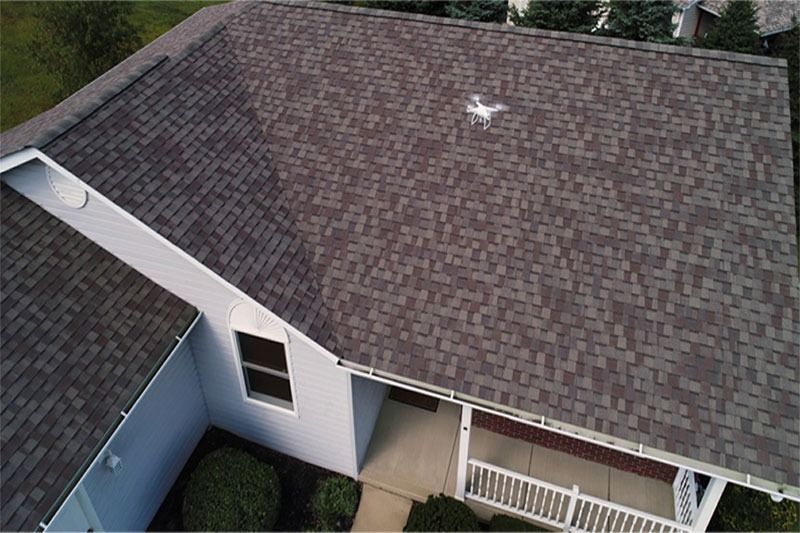
Aerial view of a gray-shingled house roof with a small white mark near the center
July 8, 2026
One of the most common questions homeowners ask us is simple: how long should my roof last? The honest answer depends on the material, the installation quality, and how well it’s maintained — but knowing the numbers can help you plan ahead and avoid being caught off guard by a costly replacement. Lifespan by roofing material Not all roofs are created equal. Here’s a realistic look at how long the most common residential roofing materials hold up: Most homes in South Jersey are covered with architectural (dimensional) asphalt shingles — a durable, cost-effective choice that, when properly installed and ventilated, reliably reaches or exceeds the 25–30 year mark. What shortens a roof’s life Even a high-quality roof can fail prematurely if certain conditions aren’t addressed. The biggest culprits we see are poor attic ventilation, which traps heat and moisture that literally bakes shingles from below; inadequate flashing around chimneys, skylights, and valleys that lets water creep under the surface; and deferred maintenance — small repairs left unattended that turn into large-scale damage. Installing a new roof directly over an existing layer of shingles (a “roof-over”) may save money upfront, but it traps moisture, adds weight, and can reduce the new roof’s lifespan by several years. A full tear-off is nearly always worth it. An experienced roofer can tell you quickly whether you’re dealing with a roof that has years of life left, or one that’s overdue. When in doubt, get an inspection — most reputable roofing companies offer them at no charge. Make the most of your warranty Today’s premium shingles come with significant manufacturer warranties — 30-year standard coverage and lifetime (50-year) options are widely available. But those warranties are only as strong as the installer. Using a certified contractor, like a GAF Factory Certified roofer, ensures the warranty is properly registered and honored. Keep your paperwork and take photos the day your roof is completed — it’s easier than you think to misplace that documentation when you need it a decade later. Not sure how much life your roof has left? Diamond Roofing offers free inspections across South Jersey

Show More →