Picking the right roof color matters more than you realize
July 8, 2026

July 8, 2026

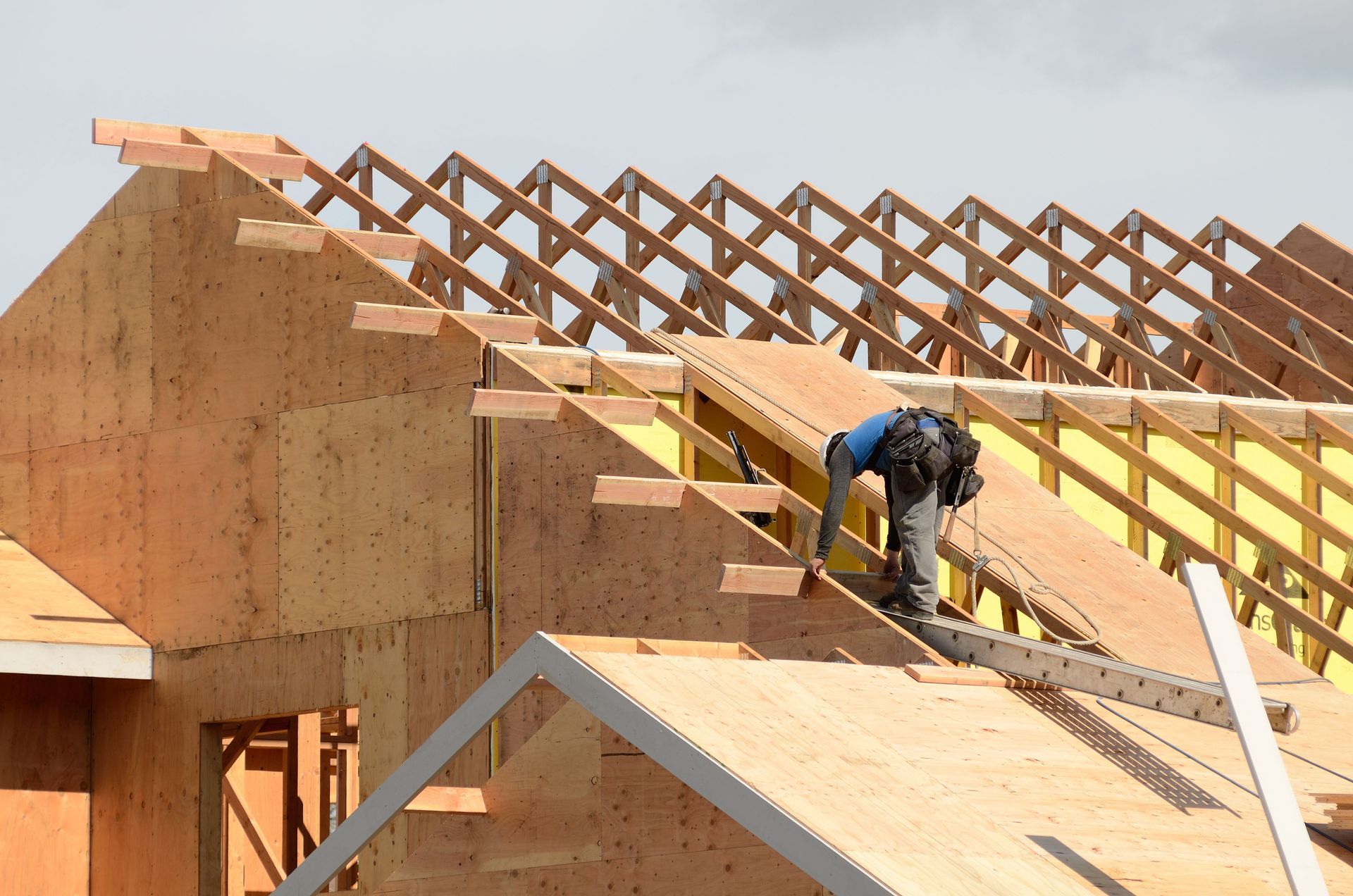
Worker in a red hoodie standing on a damaged roof, inspecting shingles on a house.

When it comes time to replace a roof, most homeowners spend weeks comparing contractor quotes and shingle grades — then pick a color in about five minutes. It’s one of the most common mistakes we see. Your roof covers roughly 40% of your home’s visible exterior. The color you choose will define your home’s look for the next 25–30 years, influence its energy efficiency, and directly affect resale value.

Getting it right isn’t complicated — but it does require thinking beyond “I’ll just go with whatever was up there before.”

Match your siding — but don’t try to match it exactly

One of the most common mistakes is choosing a shingle color that’s too similar in tone to the siding. When the roof and siding blend together, the house loses definition and looks flat. The goal is to complement, not copy. A warm beige home with a warm brown-gray shingle looks intentional. The same home with a near-identical tan shingle just disappears.

A simple rule: if your siding is warm-toned (yellows, tans, browns, reds), choose a warm-toned shingle. If your siding is cool-toned (grays, blues, whites), a cool charcoal or slate gray will anchor it well.

Color affects energy efficiency, too

This surprises a lot of homeowners. Darker shingles absorb more solar heat, which raises attic temperatures and can push up cooling costs through South Jersey’s humid summers. Lighter shingles reflect more energy. If efficiency matters to you, both GAF and Owens Corning offer cool-roof shingle lines that use specially coated granules to reflect heat regardless of color — worth bringing up when you’re reviewing options.

Before committing to a color, ask your roofer for a large physical sample — at least 12″×12″ — and hold it against your siding in both direct sunlight and shade. Colors shift noticeably depending on the light, and what looks right in a brochure can look very different on your actual home.


Think about resale value

Real estate professionals consistently rank roof color as a top curb appeal factor. Neutral, timeless shades — charcoal, slate, weathered wood — appeal to the broadest range of buyers. Going bold or trendy risks dating the home or narrowing your buyer pool. If you’re within five to seven years of selling, play it safe with a classic neutral.

At Diamond Roofing, we walk every customer through color selection before a single shingle is ordered. We carry GAF and Owens Corning samples and are happy to help you think through which option suits your home, your neighborhood, and your goals. It’s a 15-minute conversation — and one that homeowners are almost always glad they had.  Contact us for an estimate or consult today!


Posted in Roofing

roof installation
October 14, 2026
Learn what to consider before roof installation, from choosing materials to evaluating contractors, to help ensure a durable, reliable roofing system.
local roof installations
September 13, 2026
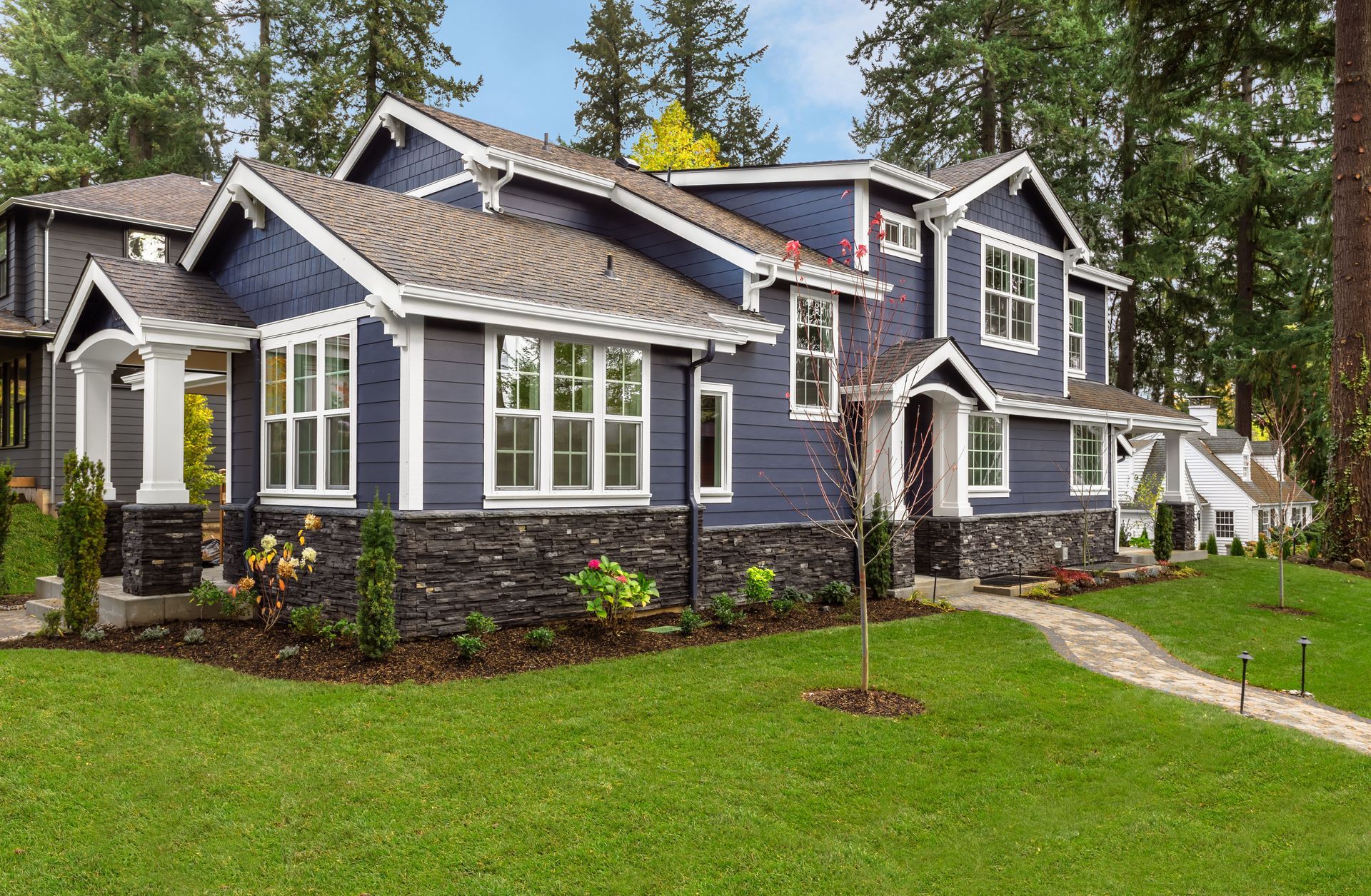
Investing in local roof installations shields residential structures against harsh seasonal weather conditions, preventing moisture intrusion and timber decay.
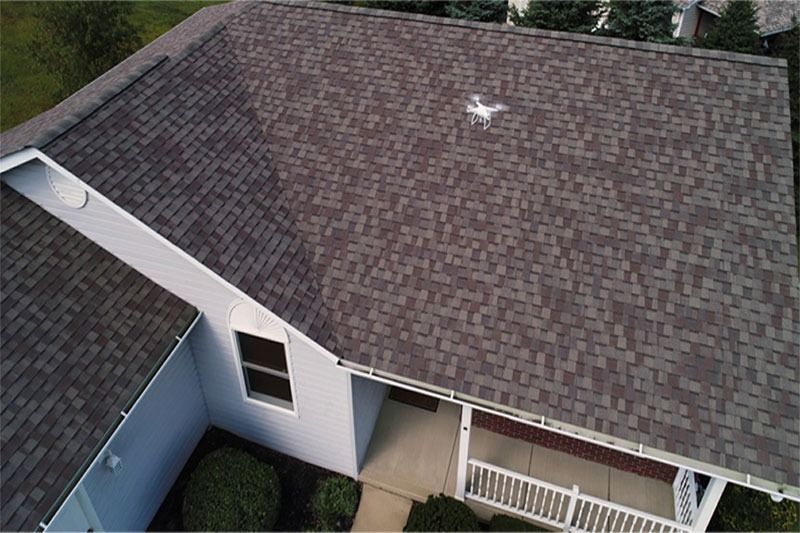
Aerial view of a gray-shingled house roof with a small white mark near the center
July 8, 2026
One of the most common questions homeowners ask us is simple: how long should my roof last? The honest answer depends on the material, the installation quality, and how well it’s maintained — but knowing the numbers can help you plan ahead and avoid being caught off guard by a costly replacement. Lifespan by roofing material Not all roofs are created equal. Here’s a realistic look at how long the most common residential roofing materials hold up: Most homes in South Jersey are covered with architectural (dimensional) asphalt shingles — a durable, cost-effective choice that, when properly installed and ventilated, reliably reaches or exceeds the 25–30 year mark. What shortens a roof’s life Even a high-quality roof can fail prematurely if certain conditions aren’t addressed. The biggest culprits we see are poor attic ventilation, which traps heat and moisture that literally bakes shingles from below; inadequate flashing around chimneys, skylights, and valleys that lets water creep under the surface; and deferred maintenance — small repairs left unattended that turn into large-scale damage. Installing a new roof directly over an existing layer of shingles (a “roof-over”) may save money upfront, but it traps moisture, adds weight, and can reduce the new roof’s lifespan by several years. A full tear-off is nearly always worth it. An experienced roofer can tell you quickly whether you’re dealing with a roof that has years of life left, or one that’s overdue. When in doubt, get an inspection — most reputable roofing companies offer them at no charge. Make the most of your warranty Today’s premium shingles come with significant manufacturer warranties — 30-year standard coverage and lifetime (50-year) options are widely available. But those warranties are only as strong as the installer. Using a certified contractor, like a GAF Factory Certified roofer, ensures the warranty is properly registered and honored. Keep your paperwork and take photos the day your roof is completed — it’s easier than you think to misplace that documentation when you need it a decade later. Not sure how much life your roof has left? Diamond Roofing offers free inspections across South Jersey

Show More →