
Preparing Your Roof for Storm Season
Diamond Roofing • June 18, 2026

June 18, 2026

Tree-lined suburban street with large white houses and a curved sidewalk

Photo by Sam on Unsplash

June 1st marks the official start of Atlantic hurricane season — and while South Jersey rarely takes a direct hurricane hit, the effects are a different story. Tropical systems that make landfall hundreds of miles away routinely deliver damaging wind, heavy sustained rain, and storm surge conditions to our region. Add to that the intense afternoon thunderstorm pattern that builds through July and August, and the stretch from June through September is, without question, the most demanding season your roof will face all year.

The time to prepare is before the first major storm — not after. Here’s a practical guide to getting your roof storm-ready for the season ahead.

Start with a professional inspection

Before any other prep work, you need an accurate picture of what you’re working with. A roof that looks acceptable from the street may have compromised flashing, lifted tabs, or early deck deterioration that becomes a serious problem the first time a nor’easter sits over South Jersey for 36 hours. A professional inspection catches these things — a walk around the yard doesn’t.

Diamond Roofing offers free inspections with no obligation, and early June is the ideal time to book one. Our crews assess shingle condition, flashing integrity, ventilation, gutter attachment, and overall deck health — giving you a clear picture of what’s ready for the season and what needs attention before the weather turns.

Address flashing first — it’s where storms get in

The majority of storm-related roof leaks don’t come from the middle of a shingle field. They come from the transitions — the places where the roof meets a chimney, a skylight, a dormer, or a plumbing vent. Flashing seals these transitions, and when it fails — from thermal cycling over the winter, aging sealant, or improper original installation — it creates a direct pathway for wind-driven rain to enter the structure.

Before storm season, inspect every flashing transition on your roof. From the ground with binoculars: look for flashing that appears separated from the masonry, lifted at the edges, heavily rusted, or missing caulk at the joints. Any of these warrant repair before the season gets underway — and flashing repairs are among the least expensive interventions available on a residential roof.

Check your shingles for wind vulnerabilities

Shingles are designed to lay flat and seal to each other at the adhesive strip that runs across each course. When that strip has failed — from age, heat damage, or prior storm stress — individual shingles can be lifted by wind and either displaced or broken entirely. A single displaced shingle in a 60 mph gust opens a gap that admits water for every subsequent hour of rain.

Look for shingles that appear slightly raised at the edges, tabs that have clearly separated from the shingle below, or any section where the horizontal coursing looks irregular. These are wind vulnerabilities that can be repaired before the season for a fraction of what emergency repair costs after a storm event.

Clear gutters and confirm secure attachment

A gutter full of spring debris that meets a 2-inch-per-hour tropical rain event will overflow immediately — directing water straight down the side of the house and into the foundation perimeter rather than away from it. June is the last reasonable opportunity to clean gutters before storm season peaks. While you’re at it, check that every gutter section is firmly attached to the fascia — loose sections can be ripped entirely free by strong wind, taking part of the drip edge and fascia board with them.

June 1
Official start of Atlantic hurricane season — South Jersey’s storm risk window opens
110 mph
Wind rating of GAF and Owens Corning architectural shingles installed to spec
24 hr
Diamond Roofing’s guaranteed response time for inspection and storm calls

Trim trees — before they trim your roof

Overhanging tree branches are the most predictable source of storm damage on South Jersey residential roofs. A limb that’s been gently brushing the shingles through spring becomes a lever arm in a 70 mph gust. Large branches that could reach the roof if broken — even branches not currently in contact — should be assessed and addressed before the season. This is one job that belongs to a qualified arborist, not a homeowner with a ladder and a handsaw.

Know your insurance position before you need it

Storm season is a good time to review your homeowners’ insurance coverage. Specifically: what is your wind and hail deductible? Does your policy cover the full replacement cost of the roof or the actual cash value (which accounts for depreciation)? Is there a separate hurricane deductible that applies when a named storm is the cause?

These distinctions matter enormously when you’re standing under a tarp three days after a nor’easter trying to figure out what’s covered. Understanding your policy now, when it’s calm, is the preparation that most directly determines your financial outcome when the season produces a claim.

  1. 1
    Book a professional inspection in June before the season peaks — free with no obligation from Diamond Roofing
  2. 2
    Repair flashing at all roof transitions — chimneys, skylights, vents, and valleys — before the first major storm
  3. 3
    Address lifted or vulnerable shingles identified in the inspection — small repairs now prevent large ones later
  4. 4
    Clean gutters and check attachment — ensure all sections drain freely and are firmly secured to the fascia
  5. 5
    Trim overhanging branches — have an arborist assess any limb that could contact the roof in a storm
  6. 6
    Review your homeowners’ insurance — understand your deductibles, coverage limits, and claim window before you need them

If a storm does hit — act fast

Document damage immediately before any cleanup begins. Photograph everything — exterior and interior — with timestamps. Call Diamond Roofing for a professional written damage assessment before contacting your insurer. A contractor’s documented assessment carries significant weight with adjusters and can prevent legitimate damage from being minimized or disputed. We respond within 24 hours and prioritize storm-related calls throughout the season.

Pre-storm inspections

Free inspections available now through June. We assess everything that matters for storm readiness — shingles, flashing, gutters, ventilation, and deck condition.


Post-storm response

Diamond Roofing provides written damage assessments, works directly with insurance adjusters, and has helped South Jersey homeowners navigate storm claims for over 30 years.


Storm season is coming regardless. The question is whether your roof is ready for it — and whether you’ll find out from a pre-season inspection or from a leak during the third hour of a nor’easter. June is the window. Use it.

Get your roof storm-ready before season peaks.
Free June inspections · 24-hour response · Licensed NJ contractor · (609) 268-9200

Book a free inspection

roof installation
October 14, 2026
Learn what to consider before roof installation, from choosing materials to evaluating contractors, to help ensure a durable, reliable roofing system.

local roof installations
September 13, 2026
Investing in local roof installations shields residential structures against harsh seasonal weather conditions, preventing moisture intrusion and timber decay.
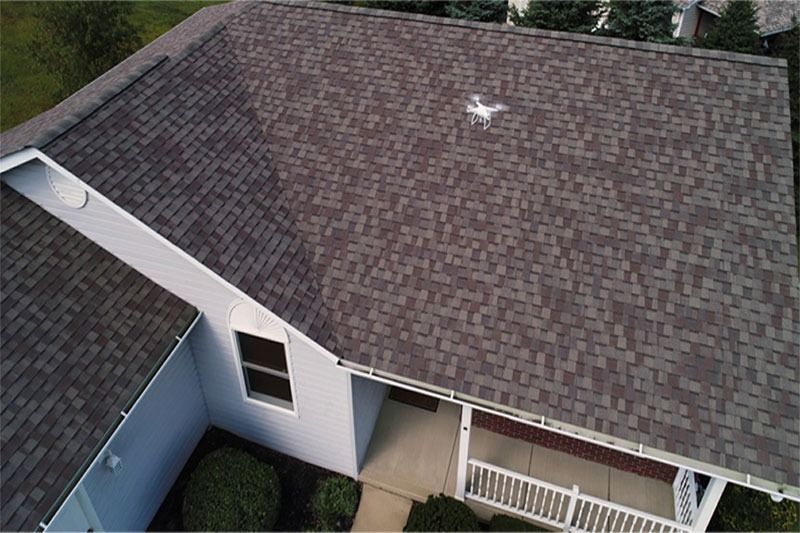
Aerial view of a gray-shingled house roof with a small white mark near the center
July 8, 2026
One of the most common questions homeowners ask us is simple: how long should my roof last? The honest answer depends on the material, the installation quality, and how well it’s maintained — but knowing the numbers can help you plan ahead and avoid being caught off guard by a costly replacement. Lifespan by roofing material Not all roofs are created equal. Here’s a realistic look at how long the most common residential roofing materials hold up: Most homes in South Jersey are covered with architectural (dimensional) asphalt shingles — a durable, cost-effective choice that, when properly installed and ventilated, reliably reaches or exceeds the 25–30 year mark. What shortens a roof’s life Even a high-quality roof can fail prematurely if certain conditions aren’t addressed. The biggest culprits we see are poor attic ventilation, which traps heat and moisture that literally bakes shingles from below; inadequate flashing around chimneys, skylights, and valleys that lets water creep under the surface; and deferred maintenance — small repairs left unattended that turn into large-scale damage. Installing a new roof directly over an existing layer of shingles (a “roof-over”) may save money upfront, but it traps moisture, adds weight, and can reduce the new roof’s lifespan by several years. A full tear-off is nearly always worth it. An experienced roofer can tell you quickly whether you’re dealing with a roof that has years of life left, or one that’s overdue. When in doubt, get an inspection — most reputable roofing companies offer them at no charge. Make the most of your warranty Today’s premium shingles come with significant manufacturer warranties — 30-year standard coverage and lifetime (50-year) options are widely available. But those warranties are only as strong as the installer. Using a certified contractor, like a GAF Factory Certified roofer, ensures the warranty is properly registered and honored. Keep your paperwork and take photos the day your roof is completed — it’s easier than you think to misplace that documentation when you need it a decade later. Not sure how much life your roof has left? Diamond Roofing offers free inspections across South Jersey

Show More →