

Inspect Your Roof Before Summer Vacation
Diamond Roofing • June 16, 2026

June 16, 2026

Large suburban house with stone entry, gray roof, and green lawn under a blue sky

June means something specific for South Jersey families: school’s out, the calendar fills up fast, and at some point in the next few weeks, a good number of homeowners will lock the front door and head somewhere else for a week or two. The Shore. The mountains. A family trip that’s been planned since January.

What most of those homeowners won’t do before they leave is take five minutes to think about what’s happening with their roof while they’re gone.

It’s worth five minutes. Here’s why — and exactly what to check before you pull out of the driveway.

Why an empty house and a vulnerable roof is a bad combination

When you’re home, a slow drip from a compromised shingle or a backed-up gutter gets noticed quickly. A ceiling stain appears. Water shows up where it shouldn’t. You call someone. When you’re away for a week, that same drip runs quietly and continuously — into your attic insulation, your ceiling framing, your drywall. By the time you get back from vacation, what could have been a minor repair has become a remediation project.

South Jersey’s June and July weather pattern makes this a real risk. Afternoon thunderstorms are frequent, sometimes severe, and don’t care that nobody’s home. All it takes is one significant storm event — a wind-driven rain that finds the gap in flashing you hadn’t noticed, or a backed-up gutter that pushes water up under the eaves — to create a problem that grows significantly in your absence.

A 20-minute pre-vacation roof check

You don’t need a contractor to do this. You need fifteen minutes, binoculars if you have them, and a willingness to walk the perimeter of your home before you load the car.


  • Walk the perimeter and look up. Check for any obviously missing, lifted, or displaced shingles. Pay particular attention to ridgeline shingles and any areas that took wind in the last storm.

  • Run a hose through your gutters. Confirm water flows freely to the downspouts. A clogged gutter that overflows during a storm can push water up under the drip edge and into the fascia. If it’s not draining, clear it before you leave.

  • Check downspout extensions. Make sure each downspout directs water at least four to six feet away from the foundation. A vacation is long enough for saturated soil near the foundation to become a problem.

  • Look at your chimney flashing from the ground. Binoculars help here. You’re checking for visible separation, rust staining, or gaps between the flashing and the masonry — any of which can allow water in during sustained rain.

  • Check your attic before you go. A quick look with a flashlight will show you any daylight coming through the deck or existing staining that suggests a prior slow leak. If you see something, address it before the trip — or at minimum photograph and document it.

  • Trim any overhanging branches. A limb that’s been nudging the roof surface all spring becomes a hazard in a July thunderstorm. If there’s a branch within reach of your roof, deal with it before you leave.

If you find something — don’t ignore it before you go

This is the hardest part for most homeowners. You find a questionable shingle or a suspicious attic stain two days before departure and the impulse is to note it and deal with it when you get back. Resist that. Call Diamond Roofing. We return all calls within 24 hours and in most cases can schedule a same-week inspection. A minor repair handled before you leave is a fraction of the cost of a week of unchecked water intrusion waiting for you when you return.

Ask a neighbor to keep an eye on things

If you have a trusted neighbor who’ll be collecting your mail, take sixty seconds to point out any areas of the roof you’re watching. Ask them to text you a photo if they see anything unusual after a storm. It costs nothing and has saved South Jersey homeowners from significant damage more times than we can count.

Same-week inspections

Diamond Roofing responds to all calls within 24 hours. If you’re leaving soon and want a professional set of eyes on your roof before you go, call us — we’ll make it work.


Storm damage response

If a storm hits while you’re away and you suspect damage, call us when you get back. We’ll inspect, document, and — if needed — help you navigate the insurance claim process.


Enjoy your summer. Your roof will hold up better than you think — especially if you take a few minutes before you leave to make sure it’s ready.

Leaving soon? Let us check your roof first.
Quick pre-vacation inspections available · Free · 24-hour response · (609) 268-9200

Schedule a free inspection

roof installation
October 14, 2026
Learn what to consider before roof installation, from choosing materials to evaluating contractors, to help ensure a durable, reliable roofing system.

local roof installations
September 13, 2026
Investing in local roof installations shields residential structures against harsh seasonal weather conditions, preventing moisture intrusion and timber decay.
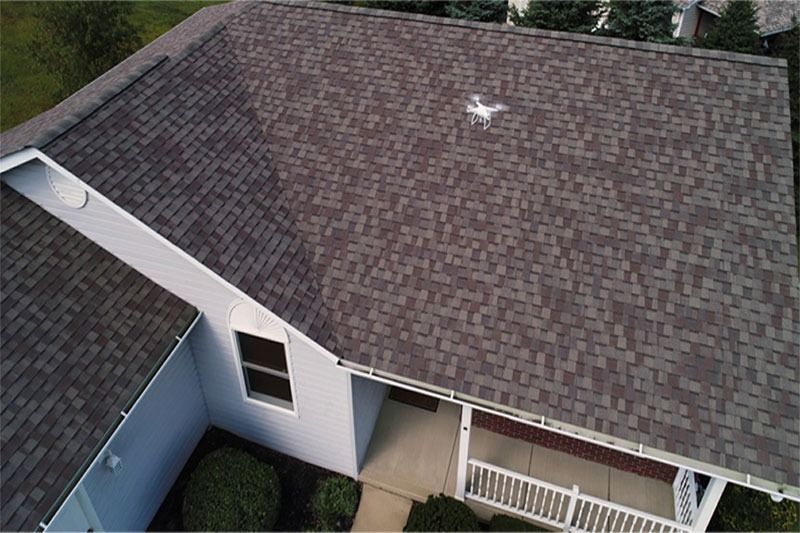
Aerial view of a gray-shingled house roof with a small white mark near the center
July 8, 2026
One of the most common questions homeowners ask us is simple: how long should my roof last? The honest answer depends on the material, the installation quality, and how well it’s maintained — but knowing the numbers can help you plan ahead and avoid being caught off guard by a costly replacement. Lifespan by roofing material Not all roofs are created equal. Here’s a realistic look at how long the most common residential roofing materials hold up: Most homes in South Jersey are covered with architectural (dimensional) asphalt shingles — a durable, cost-effective choice that, when properly installed and ventilated, reliably reaches or exceeds the 25–30 year mark. What shortens a roof’s life Even a high-quality roof can fail prematurely if certain conditions aren’t addressed. The biggest culprits we see are poor attic ventilation, which traps heat and moisture that literally bakes shingles from below; inadequate flashing around chimneys, skylights, and valleys that lets water creep under the surface; and deferred maintenance — small repairs left unattended that turn into large-scale damage. Installing a new roof directly over an existing layer of shingles (a “roof-over”) may save money upfront, but it traps moisture, adds weight, and can reduce the new roof’s lifespan by several years. A full tear-off is nearly always worth it. An experienced roofer can tell you quickly whether you’re dealing with a roof that has years of life left, or one that’s overdue. When in doubt, get an inspection — most reputable roofing companies offer them at no charge. Make the most of your warranty Today’s premium shingles come with significant manufacturer warranties — 30-year standard coverage and lifetime (50-year) options are widely available. But those warranties are only as strong as the installer. Using a certified contractor, like a GAF Factory Certified roofer, ensures the warranty is properly registered and honored. Keep your paperwork and take photos the day your roof is completed — it’s easier than you think to misplace that documentation when you need it a decade later. Not sure how much life your roof has left? Diamond Roofing offers free inspections across South Jersey

Show More →