

July Hail Damage and Your Insurance Claim
Diamond Roofing • July 6, 2026

July 6, 2026

Lightning streaks across a dark cloudy sky over a distant landscape.

Photo by Justin Wolff on Unsplash

July in South Jersey is storm season at its peak. The same atmospheric conditions that produce the region’s hottest temperatures — high heat, high humidity, and unstable air masses colliding over the coastal plain — also produce its most intense convective storms. In a matter of minutes, a clear afternoon can become a damaging hail event, and homeowners who didn’t think about their roof at breakfast are filing insurance claims by dinner.

If a July storm has dropped hail on your neighborhood, this guide will walk you through exactly what to do, what to expect, and how to protect your interests through the insurance process.

What hail actually does to a roof — and why it’s not always obvious

Hail damage is one of the most frequently misunderstood roof conditions, because visible severity at ground level rarely matches actual damage severity at the roof surface. Quarter-size hail that leaves no dents on gutters or window frames can still cause significant structural damage to asphalt shingles — specifically by cracking the bond between the granules and the asphalt substrate.

This condition, often called “bruised shingles” or functional damage, doesn’t produce an immediate leak. What it does is expose the underlying asphalt to direct UV radiation — the same oxidation process that normally takes 20 years to progress now accelerates dramatically. A shingle field that was rated for 10 more years of service can be reduced to 3–5 years by a single significant hail event. And because it doesn’t leak right away, many homeowners assume nothing happened and miss their claim window entirely.

How to assess your situation after a July storm

Your first move after any hail event is a ground-level assessment — not a roof climb. Walk the perimeter of your home and look for these secondary indicators that tell you hail reached your property with damaging force:


  • Dents on aluminum gutters or downspouts — soft metal at eye level is your most reliable indicator of hail size and force

  • Dents on AC condenser fins — HVAC equipment in the yard is another reliable hail impact indicator

  • Paint chips or impact marks on painted wood surfaces — window sills, shutters, and deck railings often show evidence before the roof does

  • Granule surge in gutters — check downspout drainage areas immediately after the storm for a significant release of dark granules

  • Neighbors filing claims or scheduling inspections — hail is non-selective; if properties around you were damaged, yours was almost certainly in the same hail path

If two or more of these are present, call Diamond Roofing for a professional roof assessment before contacting your insurance company. This is not a delay tactic — it’s strategy. A written contractor assessment in hand before the adjuster visit fundamentally changes your position in the claims process.

The claim sequence that protects you

The order in which you take action after a storm significantly affects your outcome. Here is the sequence that experienced South Jersey homeowners — and their roofers — recommend:

  1. 1
    Document everything immediately. Photograph your gutters, downspouts, AC unit, and any visible roof damage from the ground — with timestamps, before any cleanup begins.
  2. 2
    Call a licensed local roofer. Diamond Roofing responds within 24 hours and will provide a written, itemized damage assessment at no charge. This document is your foundation for the claim.
  3. 3
    File your claim with your insurer. Present your contractor’s written assessment when you file. It establishes the damage record before the adjuster forms their own opinion.
  4. 4
    Be present for the adjuster visit. Have your contractor’s assessment available. If the adjuster’s findings differ significantly, you have the right to a second opinion or an appraisal process — know that before the meeting.
  5. 5
    Understand your settlement offer before accepting it. Does it cover replacement cost value or actual cash value? Is the depreciation amount being held back pending completion? These details matter enormously.

What your policy likely covers — and what it doesn’t

Standard homeowners’ insurance in New Jersey covers sudden, accidental damage from hail as a covered peril under the dwelling protection portion of the policy. This typically means both the replacement cost of the roof and any interior damage directly caused by the covered event — subject to your deductible.

What policies typically do not cover: damage caused by lack of maintenance, gradual deterioration, or existing conditions that were present before the storm. This is why a roof that was already in poor condition before a hail event can generate a partial or denied claim — the insurer may attribute some of the damage to pre-existing wear rather than the storm itself. Maintaining your roof and documenting its condition before storm season is not just good practice; it’s financial protection.

Watch out for storm chasers in July

After any significant South Jersey hail event, out-of-state contractors flood the area offering free inspections and aggressive promises about what insurance will cover. Some are legitimate. Many are not — unlicensed, uninsured, operating without NJ Home Improvement Contractor registration, and structured to take a large portion of your claim payout before delivering substandard work.

The rule is simple: verify the NJ HIC number before allowing anyone on your property. Diamond Roofing’s registration is #13VH01716900. We’ve been working in South Jersey for over 30 years, and our references are local homeowners you can actually call.

Free hail assessments

Diamond Roofing provides written hail damage assessments at no charge — thorough enough to support an insurance claim, honest enough to tell you if a claim isn’t warranted.


We work with your insurer

Our team has extensive experience working alongside adjusters on South Jersey hail claims. We document thoroughly, communicate clearly, and advocate for what your home actually needs.


A July hail storm is disruptive. But handled correctly — with the right documentation, the right sequence, and the right contractor — the path from damage to a new roof is more straightforward than most homeowners expect. Call us. We’ve done this before.

Hail hit your neighborhood? Call us first.
Free written assessment · 24-hour response · NJ Lic. #13VH01716900 · (609) 268-9200

Request a free hail assessment

roof installation
October 14, 2026
Learn what to consider before roof installation, from choosing materials to evaluating contractors, to help ensure a durable, reliable roofing system.

local roof installations
September 13, 2026
Investing in local roof installations shields residential structures against harsh seasonal weather conditions, preventing moisture intrusion and timber decay.
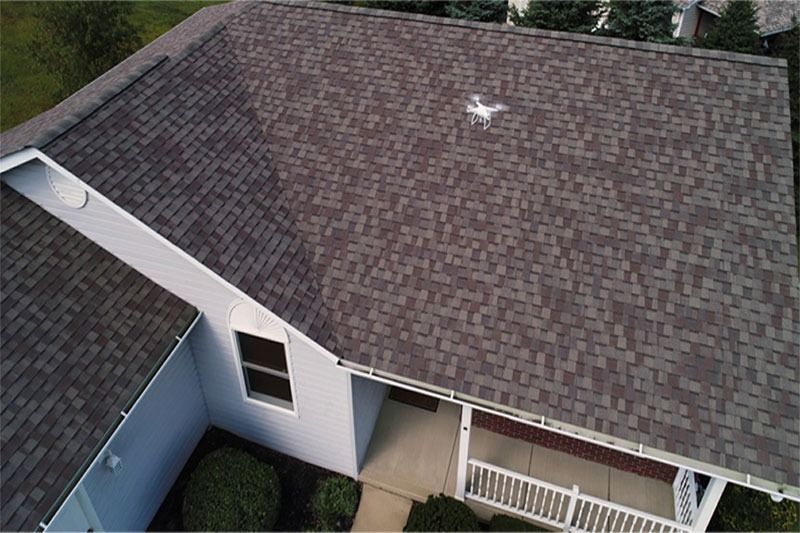
Aerial view of a gray-shingled house roof with a small white mark near the center
July 8, 2026
One of the most common questions homeowners ask us is simple: how long should my roof last? The honest answer depends on the material, the installation quality, and how well it’s maintained — but knowing the numbers can help you plan ahead and avoid being caught off guard by a costly replacement. Lifespan by roofing material Not all roofs are created equal. Here’s a realistic look at how long the most common residential roofing materials hold up: Most homes in South Jersey are covered with architectural (dimensional) asphalt shingles — a durable, cost-effective choice that, when properly installed and ventilated, reliably reaches or exceeds the 25–30 year mark. What shortens a roof’s life Even a high-quality roof can fail prematurely if certain conditions aren’t addressed. The biggest culprits we see are poor attic ventilation, which traps heat and moisture that literally bakes shingles from below; inadequate flashing around chimneys, skylights, and valleys that lets water creep under the surface; and deferred maintenance — small repairs left unattended that turn into large-scale damage. Installing a new roof directly over an existing layer of shingles (a “roof-over”) may save money upfront, but it traps moisture, adds weight, and can reduce the new roof’s lifespan by several years. A full tear-off is nearly always worth it. An experienced roofer can tell you quickly whether you’re dealing with a roof that has years of life left, or one that’s overdue. When in doubt, get an inspection — most reputable roofing companies offer them at no charge. Make the most of your warranty Today’s premium shingles come with significant manufacturer warranties — 30-year standard coverage and lifetime (50-year) options are widely available. But those warranties are only as strong as the installer. Using a certified contractor, like a GAF Factory Certified roofer, ensures the warranty is properly registered and honored. Keep your paperwork and take photos the day your roof is completed — it’s easier than you think to misplace that documentation when you need it a decade later. Not sure how much life your roof has left? Diamond Roofing offers free inspections across South Jersey

Show More →