Financing a New Roof This Summer
July 8, 2026

July 8, 2026

Blue seaside house with white trim and metal roof, showing balcony and windows

A roof replacement is one of the largest single home improvement expenses a South Jersey homeowner will face. On a typical residential home, a quality architectural shingle replacement runs between $10,000 and $18,000 depending on size, pitch, and materials. For most families, that’s not a number you write a check for on the same day you get the quote.

The good news: you have more options than you might think — and understanding them before you need a new roof puts you in a far stronger position than scrambling to find financing after a storm or an emergency leak forces your hand.

Why summer is actually a smart time to finance

Most homeowners only think about roof financing when the situation is urgent — a major storm, a serious leak, a home inspection that flags the roof as a liability before a sale. In those scenarios, you’re making a financial decision under pressure, with limited time to compare options and less leverage to negotiate on price.

Summer, by contrast, is a window of choice. Your roof may be aging but still functional. You have time to get multiple quotes, compare financing terms, and make a decision on your schedule. That difference in circumstances almost always translates to a better financial outcome.

Option 1: Home equity financing (HELOC or home equity loan)

For homeowners with meaningful equity, a home equity line of credit or home equity loan is typically the lowest-interest route to financing a roof replacement. Interest rates on secured home equity products are significantly lower than unsecured personal loans or contractor financing, and in many cases the interest may be tax-deductible (consult your tax advisor).

The tradeoff is time — qualifying for a HELOC or home equity loan requires an appraisal and underwriting, which can take several weeks. If you’re planning ahead rather than reacting to an emergency, this lead time isn’t a barrier. If you’re trying to replace a roof before the next rainstorm, it may be.

A new roof also increases your home’s appraised value — which can support a future HELOC application or refinance. The investment and the financing mechanism are connected in a way that works in your favor when you plan ahead.

Option 2: Contractor financing programs

Many established roofing contractors — including Diamond Roofing — offer financing programs in partnership with lending institutions. These programs are designed specifically for home improvement projects, with streamlined approval processes and payment terms structured around the cost of the work. Common offerings include deferred-interest promotions (no interest if paid within 12 or 18 months) and fixed monthly payment plans over 36 to 84 months.

The key questions to ask about any contractor financing program are the APR after any promotional period ends, whether there are prepayment penalties, and whether the lender is a reputable institution. Avoid programs that obscure these terms or make approval contingent on an immediate signing decision.

Option 3: Personal loans

Unsecured personal loans from banks, credit unions, or online lenders are a faster alternative to home equity products and don’t require putting your home up as collateral. Interest rates are higher than secured options, but for homeowners without significant equity or those who need funding quickly, a personal loan can bridge the gap. Credit unions in particular often offer competitive rates for members, and some specialize in home improvement lending.

Option 4: Insurance claims — when they apply

If your roof has sustained damage from a covered event — hail, wind, falling trees — your homeowners’ insurance policy may pay for some or all of the replacement cost, subject to your deductible. Summer storms create a significant number of legitimate roof insurance claims in South Jersey each year, and many homeowners don’t realize they’re entitled to file one.

The important steps: document damage immediately after the storm, contact a licensed local contractor for a written assessment before calling your insurer, and file promptly within your policy’s claim window. Diamond Roofing has extensive experience working alongside insurance adjusters and can help you navigate the process.

Home equity (HELOC/loan)

— lowest interest rates, requires equity and lead time, potentially tax-deductible

Contractor financing

— fast approval, structured for home improvement, deferred-interest options available

Personal loan

 — no collateral required, faster than equity products, higher interest rate

Insurance claim

 — best option when storm damage is present; requires documentation and timely filing

Don’t let financing be the reason you wait too long

The costliest roof scenario isn’t a planned replacement — it’s a deferred one. A roof that needed replacing at 22 years and was put off until 26 has typically accumulated water damage to decking, fascia, and potentially interior framing that adds thousands to the total project cost. The roof replacement itself isn’t the expense that grows — the collateral damage is.

If your roof is in the 15–20 year range and showing signs of wear, the financially sound decision is almost always to plan the replacement on your terms rather than wait for a crisis. Diamond Roofing can walk you through available financing options at the time of your free estimate, with no pressure and no obligation to decide on the spot.

Financing available

Diamond Roofing offers flexible financing options through trusted lending partners — ask about current terms when you request your free estimate.

Lowest price guaranteed

We will beat any written competitor quote. Getting the lowest qualified price means your financing goes further — however you choose to pay.

A new roof is a significant investment. It’s also one of the most reliable investments a homeowner can make in their property’s value, protection, and peace of mind. The right financing makes it accessible — and summer is the right time to figure out your path.

roof installation
October 14, 2026
Learn what to consider before roof installation, from choosing materials to evaluating contractors, to help ensure a durable, reliable roofing system.
local roof installations
September 13, 2026
Investing in local roof installations shields residential structures against harsh seasonal weather conditions, preventing moisture intrusion and timber decay.
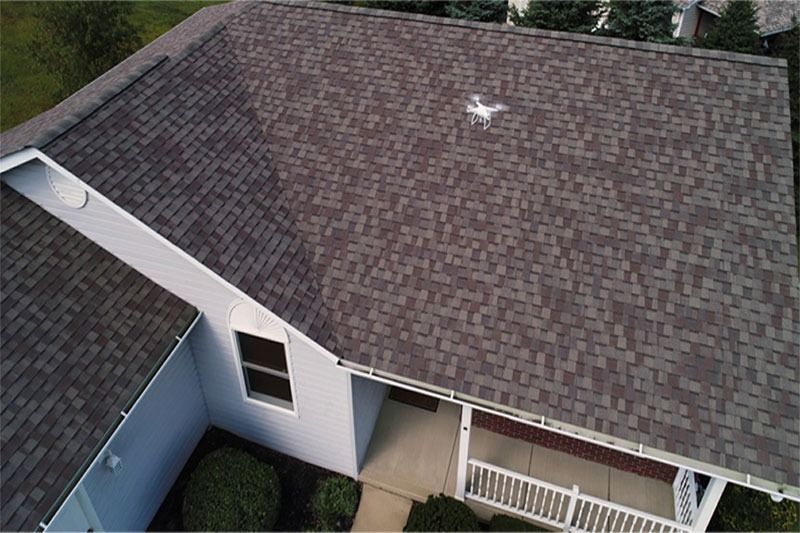
Aerial view of a gray-shingled house roof with a small white mark near the center
July 8, 2026
One of the most common questions homeowners ask us is simple: how long should my roof last? The honest answer depends on the material, the installation quality, and how well it’s maintained — but knowing the numbers can help you plan ahead and avoid being caught off guard by a costly replacement. Lifespan by roofing material Not all roofs are created equal. Here’s a realistic look at how long the most common residential roofing materials hold up: Most homes in South Jersey are covered with architectural (dimensional) asphalt shingles — a durable, cost-effective choice that, when properly installed and ventilated, reliably reaches or exceeds the 25–30 year mark. What shortens a roof’s life Even a high-quality roof can fail prematurely if certain conditions aren’t addressed. The biggest culprits we see are poor attic ventilation, which traps heat and moisture that literally bakes shingles from below; inadequate flashing around chimneys, skylights, and valleys that lets water creep under the surface; and deferred maintenance — small repairs left unattended that turn into large-scale damage. Installing a new roof directly over an existing layer of shingles (a “roof-over”) may save money upfront, but it traps moisture, adds weight, and can reduce the new roof’s lifespan by several years. A full tear-off is nearly always worth it. An experienced roofer can tell you quickly whether you’re dealing with a roof that has years of life left, or one that’s overdue. When in doubt, get an inspection — most reputable roofing companies offer them at no charge. Make the most of your warranty Today’s premium shingles come with significant manufacturer warranties — 30-year standard coverage and lifetime (50-year) options are widely available. But those warranties are only as strong as the installer. Using a certified contractor, like a GAF Factory Certified roofer, ensures the warranty is properly registered and honored. Keep your paperwork and take photos the day your roof is completed — it’s easier than you think to misplace that documentation when you need it a decade later. Not sure how much life your roof has left? Diamond Roofing offers free inspections across South Jersey

Show More →