Your attic ventilation is probably wrong — and it’s costing you every month
July 8, 2026

July 8, 2026

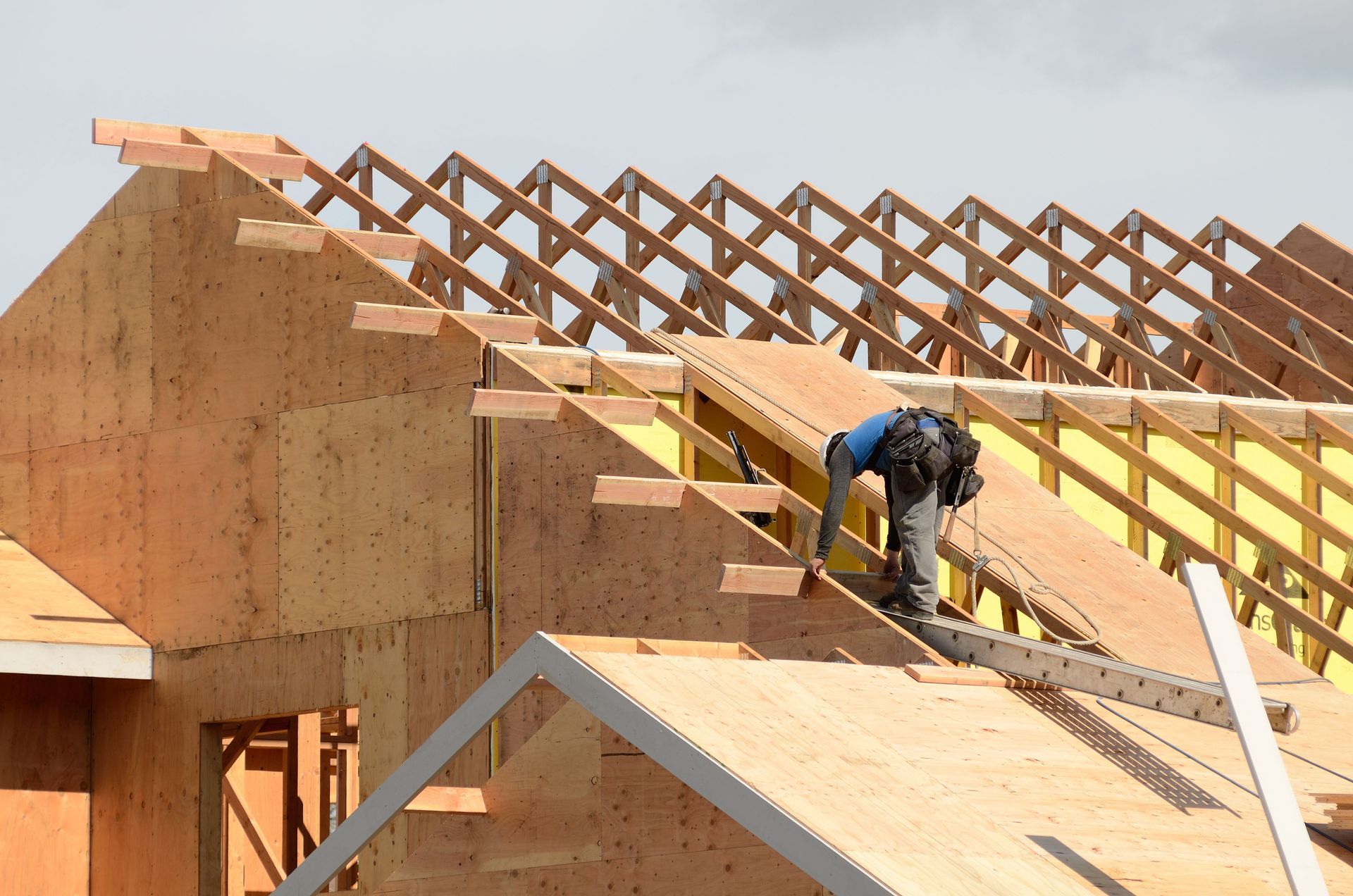
Worker in a red hoodie standing on a damaged roof, inspecting shingles on a house.

Most South Jersey homeowners think about their roof and their HVAC system as completely separate things. They’re not. The single biggest factor influencing both your roof’s lifespan and your home’s energy efficiency isn’t the brand of shingle or the size of your air conditioner — it’s what’s happening in the space between them: your attic.

Poor attic ventilation is one of the most common and most overlooked problems we find on roof inspections. And the consequences reach well beyond the attic itself.

What attic ventilation actually does

A properly ventilated attic maintains a steady exchange of air — drawing cool outside air in through intake vents at the soffits, and exhausting warm, moist air out through ridge vents or exhaust vents near the peak. When this system works correctly, the attic stays close to outdoor temperature in winter and doesn’t trap superheated air in summer.

When it fails, two problems emerge depending on the season — and both are destructive.

The summer problem: heat buildup

On a hot South Jersey summer day, an unventilated attic can reach temperatures of 150°F or higher. That heat radiates into your living space, forcing your air conditioning to work significantly harder and driving up your energy bills. More critically, that sustained heat cooks your shingles from below — accelerating the breakdown of the asphalt binders and granules that protect them. Roofs on homes with poor attic ventilation routinely fail years before their rated lifespan.

150°F

Typical unventilated attic temp on a hot summer day

25%

Potential reduction in cooling costs with proper ventilation

5–7 yrs

Potential reduction in shingle lifespan from heat damage

The winter problem: moisture and ice dams

In winter, the problem reverses. Heated air from your living space rises into the attic, carrying moisture with it. In a poorly ventilated attic, that moisture condenses on cold roof decking and rafters — the start of wood rot, mold, and structural damage. It also creates the conditions for ice dams: the attic warms the roof deck unevenly, melting snow on the upper sections while the eaves remain frozen. That meltwater pools, refreezes, and backs up under shingles — one of the leading causes of interior leak damage in this region.

If you noticed icicles hanging from your roofline this past winter, that’s not just a seasonal nuisance — it’s a visible symptom of an attic ventilation problem that’s actively damaging your roof.

Signs your attic ventilation needs attention

  • Ice dams or heavy icicle formation along the eaves in winter
  • Attic feels extremely hot in summer, even with AC running
  • Moisture staining or visible mold on attic rafters or sheathing
  • Shingles curling or blistering, especially on south-facing slopes
  • Soffit vents that are blocked, painted over, or missing entirely
  • Energy bills that seem high relative to similar homes in your neighborhood

The fix: balanced intake and exhaust

The most effective attic ventilation system is a balanced one — sufficient continuous soffit intake combined with ridge ventilation along the peak. When airflow is balanced, the attic breathes consistently without hot or cold spots. Diamond Roofing installs ridge vent systems and attic exhaust fans as part of every roof replacement, and can assess and upgrade ventilation as a standalone service on existing roofs.

What we install

Continuous ridge vents, soffit intake systems, and powered attic fans — sized and balanced specifically for your home’s attic space.

What it protects

Your shingles, your roof deck, your insulation, and your monthly energy bills — all improved by a properly ventilated attic.

When we replace a roof, ventilation assessment is a standard part of our process — not an upsell. Getting it right from the start is how a 30-year shingle actually lasts 30 years.

Concerned about your attic ventilation? We assess ventilation as part of every free roof inspection.

roof installation
October 14, 2026
Learn what to consider before roof installation, from choosing materials to evaluating contractors, to help ensure a durable, reliable roofing system.
local roof installations
September 13, 2026
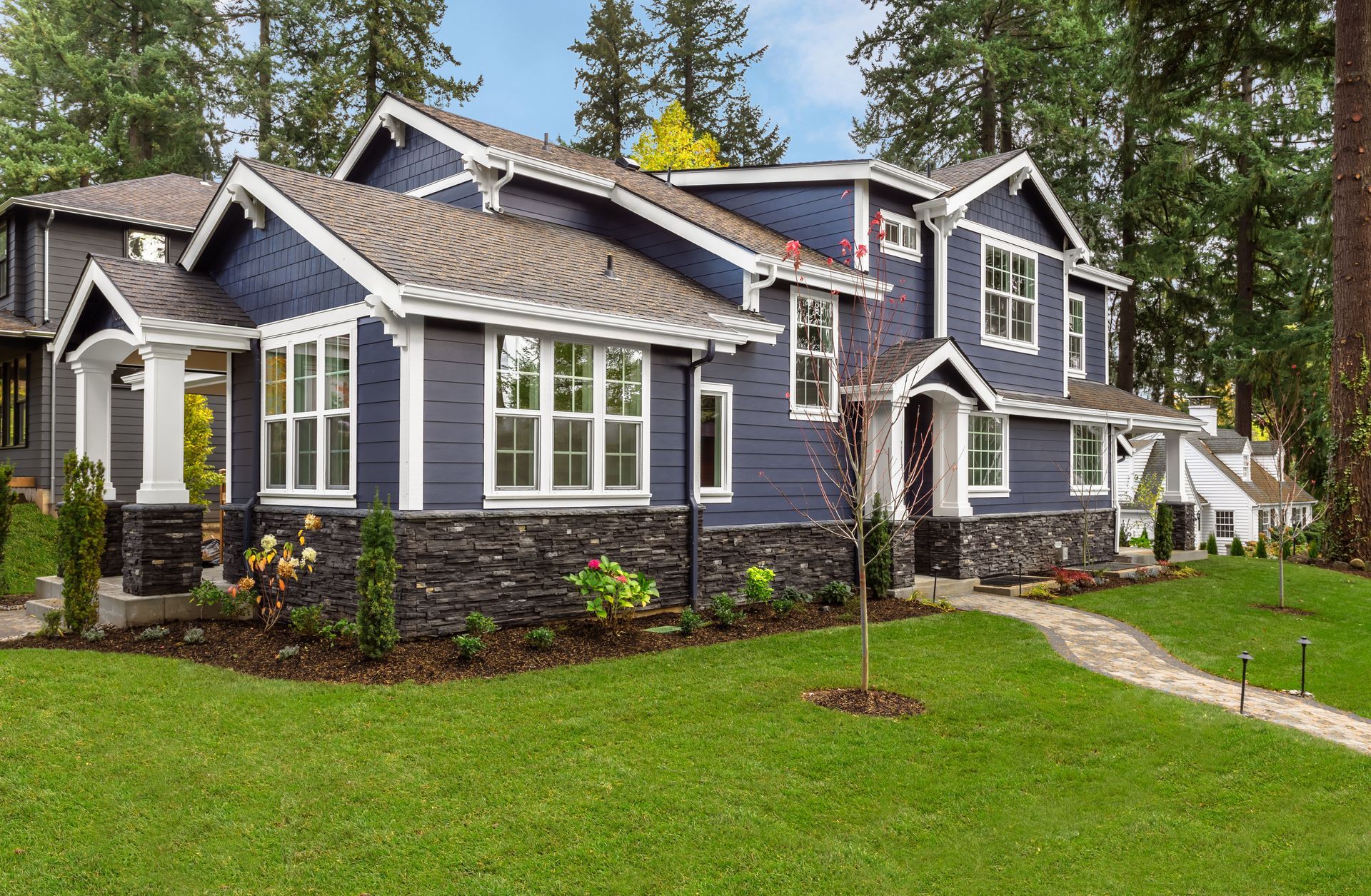
Investing in local roof installations shields residential structures against harsh seasonal weather conditions, preventing moisture intrusion and timber decay.
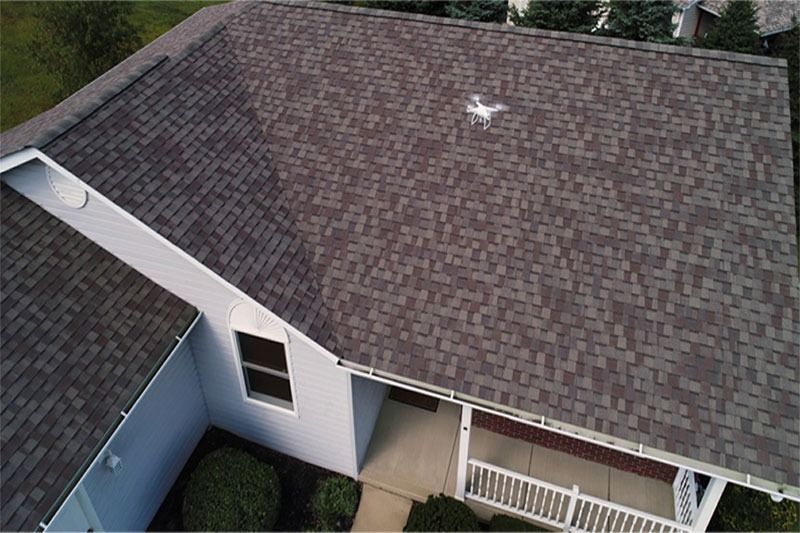
Aerial view of a gray-shingled house roof with a small white mark near the center
July 8, 2026
One of the most common questions homeowners ask us is simple: how long should my roof last? The honest answer depends on the material, the installation quality, and how well it’s maintained — but knowing the numbers can help you plan ahead and avoid being caught off guard by a costly replacement. Lifespan by roofing material Not all roofs are created equal. Here’s a realistic look at how long the most common residential roofing materials hold up: Most homes in South Jersey are covered with architectural (dimensional) asphalt shingles — a durable, cost-effective choice that, when properly installed and ventilated, reliably reaches or exceeds the 25–30 year mark. What shortens a roof’s life Even a high-quality roof can fail prematurely if certain conditions aren’t addressed. The biggest culprits we see are poor attic ventilation, which traps heat and moisture that literally bakes shingles from below; inadequate flashing around chimneys, skylights, and valleys that lets water creep under the surface; and deferred maintenance — small repairs left unattended that turn into large-scale damage. Installing a new roof directly over an existing layer of shingles (a “roof-over”) may save money upfront, but it traps moisture, adds weight, and can reduce the new roof’s lifespan by several years. A full tear-off is nearly always worth it. An experienced roofer can tell you quickly whether you’re dealing with a roof that has years of life left, or one that’s overdue. When in doubt, get an inspection — most reputable roofing companies offer them at no charge. Make the most of your warranty Today’s premium shingles come with significant manufacturer warranties — 30-year standard coverage and lifetime (50-year) options are widely available. But those warranties are only as strong as the installer. Using a certified contractor, like a GAF Factory Certified roofer, ensures the warranty is properly registered and honored. Keep your paperwork and take photos the day your roof is completed — it’s easier than you think to misplace that documentation when you need it a decade later. Not sure how much life your roof has left? Diamond Roofing offers free inspections across South Jersey

Show More →