What July Heat Actually Does to Your Roof
Diamond Roofing • June 29, 2026

June 29, 2026

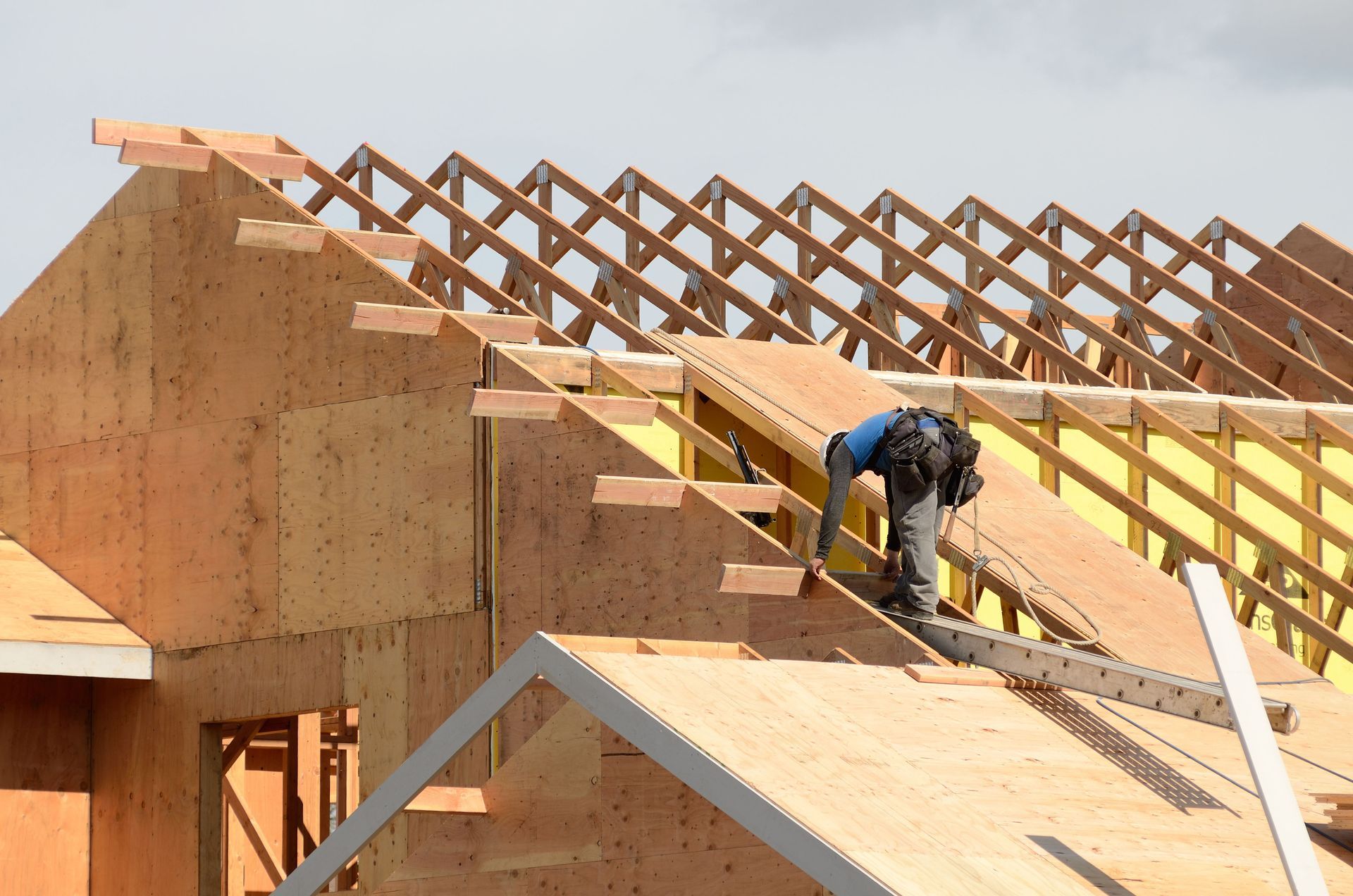
Suburban rooftops behind a dark fence under a cloudy sky

Photo by Huy Nguyen on Unsplash

The heat is upon us! July is the hottest month of the year in South Jersey — and for your roof, it’s also the most punishing. While most homeowners are focused on staying cool inside, the surface above their heads is absorbing heat at temperatures most people never think about. Understanding what’s actually happening up there during peak summer heat is the first step toward protecting your investment before it shows visible signs of wear.

The numbers most homeowners don’t know

On a typical South Jersey July afternoon with an air temperature in the low 90s, a dark asphalt shingle roof surface can reach 150°F to 175°F. That’s not a typo. The dark granules on asphalt shingles are highly effective at absorbing solar radiation, and on a clear July day with the sun at its seasonal peak, the heat buildup is extraordinary.

That surface heat doesn’t just sit on the shingles. It conducts downward through the shingle, into the asphalt substrate, and into the roof deck below. It also radiates into the attic space above your living area. An unventilated or poorly ventilated attic in South Jersey in July can sustain temperatures of 130°F to 150°F for hours at a stretch — a heat load that your air conditioning system is continuously fighting from above while you’re running it below.

175 °F
Peak dark shingle surface temperature on a clear South Jersey July afternoon
150 °F
Potential unventilated attic temperature during sustained July heat
5–8 yrs
Potential reduction in shingle lifespan from chronic summer heat without adequate ventilation

What heat does to asphalt shingles over time

Asphalt shingles are engineered to handle heat — but within a range. Sustained exposure to temperatures well above that range, repeated day after day across multiple July heat waves, accelerates two specific failure mechanisms that shorten a roof’s effective lifespan.

The first is blistering . When volatile compounds within the asphalt are heated past their threshold, they volatilize and push up against the granule surface from below, creating small raised bubbles in the shingle face. Blisters that remain closed are primarily cosmetic. Blisters that rupture — which happens when temperature cycling is severe — expose the bare asphalt substrate to UV radiation and moisture, dramatically accelerating that section’s deterioration.

The second is granule loss . The granules embedded in the asphalt surface are held in place by the adhesive properties of the asphalt binder. As that binder softens in sustained heat and then re-hardens through overnight cooling, the adhesive bond weakens progressively over time. Granule loss that would normally happen gradually over 20 years can be significantly accelerated by repeated high-heat summers — particularly on roofs with inadequate attic ventilation trapping heat below.

The UV factor: what you can’t see but your shingles can

July brings the highest UV index readings of the year to South Jersey. UV radiation is the primary driver of asphalt oxidation — the process by which the oils in the asphalt binder break down and the shingle surface becomes brittle and prone to cracking. Granules provide UV protection, which is why granule loss and UV damage are closely linked. As granule coverage decreases, UV penetration increases, and oxidation accelerates.

This is also why lighter-colored shingles tend to age differently than darker ones. Lighter colors reflect more solar radiation and absorb less heat, resulting in lower surface temperatures and slower UV-driven oxidation. It’s a meaningful difference — not dramatic, but real enough to factor into color selection if energy efficiency and longevity are priorities.

What you can do about it right now

The most impactful single intervention for managing summer heat damage is improving attic ventilation. A properly balanced ventilation system — adequate soffit intake combined with ridge exhaust — keeps attic temperatures close to outdoor ambient, dramatically reducing the heat load on the shingle underside. This is worth doing at any point in a roof’s life, but it’s particularly valuable for roofs in the 8–15 year range where significant life remains but heat damage is actively accumulating.


  • Check your attic temperature — if it feels like an oven on a July afternoon, ventilation is inadequate and your shingles are paying the price

  • Inspect for blistering from the ground with binoculars — look for a pebbled or raised texture across shingle faces, especially on south-facing slopes

  • Check gutters after heat waves — heavy granule accumulation in the weeks following sustained heat is a sign of accelerated aging

  • Verify soffit vents are clear — paint, insulation, and debris commonly block soffit vents in older South Jersey homes, starving the attic of intake airflow

  • Ask about cool-roof shingles on your next replacement — GAF Timberline Cool and Owens Corning Duration Cool use reflective granules that meaningfully reduce surface temperatures

If you’re replacing this summer — it matters what you install

A July roof replacement is an opportunity to address heat performance proactively, not just replace what failed. The combination of a quality architectural shingle with proper ridge ventilation and clear soffit intake is the baseline for a roof that manages South Jersey summers the way it was designed to. Diamond Roofing includes a ventilation assessment on every replacement job — we won’t put a new roof on a poorly ventilated attic without addressing it.

Ventilation upgrades

Ridge vent systems and solar-powered attic fans are available as standalone installations on existing roofs — no full replacement required to meaningfully reduce summer heat load.


Cool-roof shingle options

Available in the same colors as standard architectural shingles. Ask us about GAF Timberline Cool Series and Owens Corning Duration Cool at your free estimate.


July is the month your roof works hardest. It’s also the month that determines how many Julys are left before it needs to be replaced. A free inspection this summer gives you an honest picture of where things stand — and what, if anything, needs to change.

Is July heat shortening your roof’s life?
Free ventilation assessment included with every inspection · (609) 268-9200

Book a free inspection

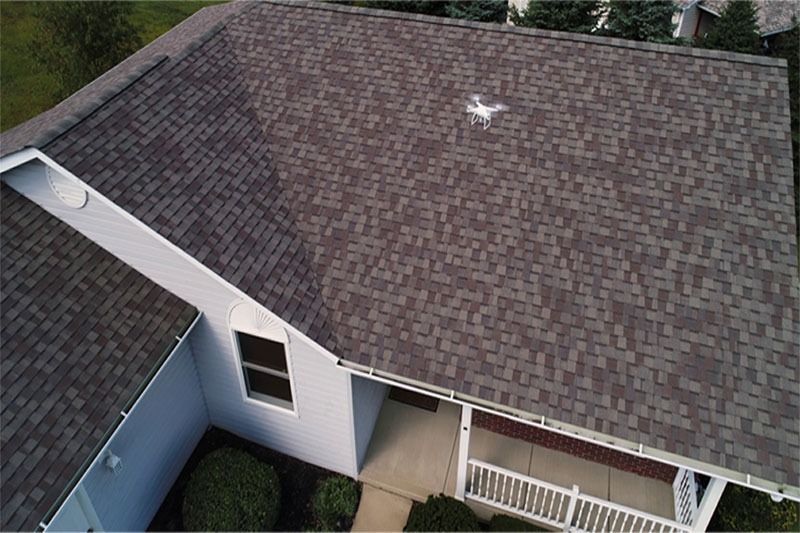
Aerial view of a gray-shingled house roof with a small white mark near the center
July 8, 2026
One of the most common questions homeowners ask us is simple: how long should my roof last? The honest answer depends on the material, the installation quality, and how well it’s maintained — but knowing the numbers can help you plan ahead and avoid being caught off guard by a costly replacement. Lifespan by roofing material Not all roofs are created equal. Here’s a realistic look at how long the most common residential roofing materials hold up: Most homes in South Jersey are covered with architectural (dimensional) asphalt shingles — a durable, cost-effective choice that, when properly installed and ventilated, reliably reaches or exceeds the 25–30 year mark. What shortens a roof’s life Even a high-quality roof can fail prematurely if certain conditions aren’t addressed. The biggest culprits we see are poor attic ventilation, which traps heat and moisture that literally bakes shingles from below; inadequate flashing around chimneys, skylights, and valleys that lets water creep under the surface; and deferred maintenance — small repairs left unattended that turn into large-scale damage. Installing a new roof directly over an existing layer of shingles (a “roof-over”) may save money upfront, but it traps moisture, adds weight, and can reduce the new roof’s lifespan by several years. A full tear-off is nearly always worth it. An experienced roofer can tell you quickly whether you’re dealing with a roof that has years of life left, or one that’s overdue. When in doubt, get an inspection — most reputable roofing companies offer them at no charge. Make the most of your warranty Today’s premium shingles come with significant manufacturer warranties — 30-year standard coverage and lifetime (50-year) options are widely available. But those warranties are only as strong as the installer. Using a certified contractor, like a GAF Factory Certified roofer, ensures the warranty is properly registered and honored. Keep your paperwork and take photos the day your roof is completed — it’s easier than you think to misplace that documentation when you need it a decade later. Not sure how much life your roof has left? Diamond Roofing offers free inspections across South Jersey

Suburban beige house with attached two-car garage and leafless trees under a blue sky
July 8, 2026
Spring is the best time to take stock of your roof’s health. After a South Jersey winter — with its freeze-thaw cycles, nor’easters, and heavy rains — your roof may have taken a beating you can’t see from the ground. Catching small problems now can save you thousands of dollars in repairs later. At Diamond Roofing, we’ve been inspecting and replacing roofs across South Jersey for decades, and we see the same warning signs every spring. Here’s what to watch for. 1. Shingles that are curling, cracking, or missing Walk your property line and look up. Asphalt shingles that are curling at the edges (called “cupping”) or lifting at the center (“clawing”) are losing their protective seal. Missing shingles — especially after winter storms — leave the underlayment exposed to moisture. Even a handful of damaged shingles can allow water to infiltrate the decking beneath. As a GAF Factory Certified roofer and Owens Corning Preferred Contractor, Diamond Roofing installs shingles backed by 30-year standard and lifetime 50-year warranties — so your next roof is built to last. 2. Granules accumulating in your gutters After cleaning your gutters this spring, take a look inside — or check the downspout drainage area. A small amount of granule loss is normal, but if you’re seeing large deposits of the dark, sand-like granules that coat asphalt shingles, that’s a sign your roof is aging out. Granules are what protect the asphalt core from UV rays. Without them, shingles degrade quickly. 3. Water stains on interior ceilings or attic rafters Head up to your attic on a bright day. Any daylight poking through? Any dark staining or moisture on the rafters? Interior water stains — even if they appear dry — indicate a leak that has already made it past the roof deck and into your living space. Left unaddressed, this creates mold risk and structural damage. 4. Sagging or uneven roof planes Stand back from your home and sight down the ridge line. A healthy roof should be straight and even. If any section appears to sag, bow, or dip, this can indicate compromised decking or structural issues underneath the shingles — problems that go well beyond a shingle replacement and require prompt professional evaluation. 5. Poorly ventilated attic leading to ice dams Did you notice icicles forming along your roofline this past winter? That’s often a sign of poor attic ventilation. When warm air escapes from a home into an insufficiently ventilated attic, it melts snow on the roof surface — only for it to refreeze at the cold eaves, forming damaging ice dams. Diamond Roofing specializes in attic ventilation systems and attic fans to prevent this cycle before next winter hits. What to do next If you spotted any of these issues — or haven’t had a professional inspection in a few years — spring is the ideal time to act. Roofing contractors book up fast once the summer season arrives, and addressing problems early typically means simpler, less expensive repairs. GAF Certified Factory Certified status means Diamond Roofing meets the highest installation standards — and can offer extended warranty coverage. Price guarantee Diamond Roofing offers the lowest prices — guaranteed — and will beat any written quote from a competitor. One-day installs Most residential roof replacements are completed in a single day, with the crew cleaning up thoroughly before they leave. 10-year workmanship warranty Every Diamond Roofing project includes a 10-year workmanship warranty in addition to the manufacturer’s shingle warranty. Your roof is the first and most important line of defense for your home and family. Don’t wait until a small issue becomes a major expense. Diamond Roofing serves homeowners across South Jersey — give us a call, and we’ll return your message within 24 hours.
Two smiling homeowners standing in front of a new house with stone accents
July 8, 2026
At Diamond Roofing, we believe that customer service involves, not just meeting your expectations, but surpassing them. It means showing you how important you are to us by always interacting in a helpful and positive way. With over 30 years of experience, we understand your needs. We have a great group of associates and strive to offer a premier working culture. We have fun with what we do daily and enjoy putting smiles on our customer’s faces. So how do we do this? We attempt to call you back within 24 business hours for an estimate or roofing repair. From the first call back you will find our staff to be personal and consulting in a professional manner. Once we’re onsite you will enjoy speaking with our professionals about your project. All estimates are performed at your location unless requested otherwise. You will have a formal written proposal that will be fully reviewed prior to us departing. We use modern technological tools to help us accurately product estimates and produce project management solutions to ensure peace of mind from our customers. We’ve won awards from the state of New Jersey for being an ethical leader in both commercial and residential roof replacement projects. Why not give Diamond Roofing a shot? Contact us today! Posted in Uncategorized 2 Comments Bruce and Liane on May 22, 2022 at 1:16 pm Very professional from start to finish! Mike came by to check on work being done and to introduce himself! The power washing of the house looks great. Thanks for a great job Reply Diane & Glenn Moore on July 28, 2024 at 12:37 am A plus, 5 star service! We saw the work they did on a neighbor’s house and they were very happy with their results. Dave was great to work with from beginning to end. His roofing team is top notch! They worked very hard in very hot conditions and really hustled. They protected the house and bushes with tarps which made me extremely happy. The finished roof, vent, and attic fan look amazing! We would HIGHLY recommend Diamond roofing. Reply
Show More →