Understanding Your Roof Warranty
July 8, 2026

July 8, 2026

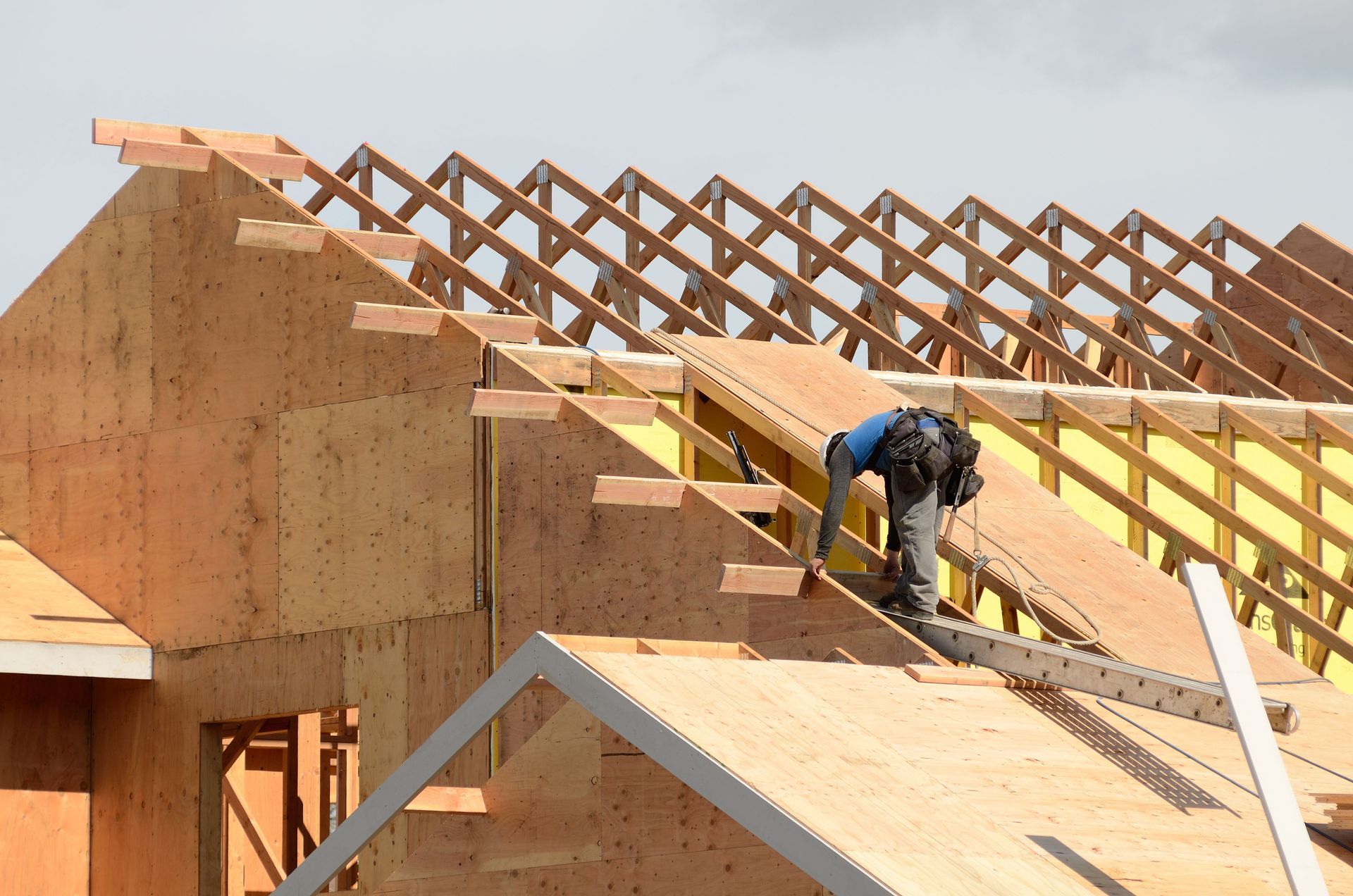
Worker in a red hoodie standing on a damaged roof, inspecting shingles on a house.

Photo by Haewon Oh on Unsplash

You’ve just had a new roof installed. The contractor handed you paperwork, mentioned something about a 30-year warranty, and drove away. Most South Jersey homeowners file that paperwork in a drawer and assume they’re covered — until the moment they need to make a claim and discover the coverage isn’t quite what they thought.

Roof warranties are more nuanced than most people realize, and summer — when replacements are at their peak — is the right time to understand exactly what you have. Here’s a plain-English breakdown of how roofing warranties actually work, what they cover, and what voids them.

There are two separate warranties — and both matter

Every roof replacement comes with two distinct warranties that cover two different things. Most homeowners only know about one of them.

The manufacturer’s material warranty covers defects in the shingles themselves — delamination, granule loss beyond normal aging, cracking under normal conditions. This is the warranty printed on the shingle packaging and registered with the manufacturer. For architectural shingles, standard coverage runs 30 years; premium lines from GAF and Owens Corning offer lifetime (50-year) coverage.

The contractor’s workmanship warranty covers the installation — how the shingles were applied, how the flashing was sealed, how the ventilation was set up. If a leak develops because of improper installation rather than a material defect, this is the warranty that applies. Diamond Roofing backs every installation with a 10-year workmanship warranty. Not every contractor offers this — and it’s one of the most important questions to ask before you sign.

A material defect and an installation defect can produce identical symptoms — a leak in the same spot. Without both warranties in place, you may find yourself in a dispute about which one should cover the repair. Having both, from a certified contractor, eliminates that gap.

What “lifetime” actually means on a shingle warranty

The word “lifetime” on a shingle warranty sounds absolute. It isn’t. In the roofing industry, “lifetime” is defined as the expected useful life of the shingle — typically interpreted as 50 years for premium architectural products. It does not mean the manufacturer will replace your roof without question for the next half-century.

Most lifetime warranties are also prorated after a certain point — often the first 10 to 15 years offer the most robust coverage, with the manufacturer’s liability declining as the shingles age. Read the warranty document specifically to understand at what point proration kicks in and what the maximum payout would be in a legitimate claim scenario.

What voids a manufacturer’s warranty

This is where homeowners run into trouble most often. Manufacturer warranties contain specific installation and maintenance requirements — violating any of them can void coverage entirely, regardless of how legitimate the underlying defect is.


  • Installation over existing shingles (roof-over)
  •  — most manufacturers limit or void coverage when new shingles are applied over an old layer

  • Inadequate attic ventilation
  •  — shingle warranties specify ventilation ratios; a non-compliant attic can void coverage on heat-related failures

  • Pressure washing
  •  — high-pressure cleaning strips granules and is specifically excluded from coverage under most GAF and Owens Corning warranties

  • Repairs made by non-certified contractors
  •  — having an uncertified contractor repair or modify the roof can void manufacturer coverage on the affected sections

  • Failure to register the warranty
  •  — some enhanced coverage tiers require the contractor to register the installation within a specific window after completion

The certified contractor advantage

This is where GAF’s Factory Certified and Owens Corning’s Preferred Contractor designations earn their value. Certified contractors can register extended warranty coverage on your behalf — coverage that isn’t available through non-certified installers. GAF’s Golden Pledge warranty, for example, extends workmanship coverage to 25 years and is only available through Master Elite contractors. It’s a fundamentally different level of protection than what you get from a standard installation.

Diamond Roofing holds both GAF Factory Certified and Owens Corning Preferred status. When we install your roof, we register your warranty with the manufacturer before we leave — and we’ll walk you through exactly what your coverage includes before we start the job.

Keep your documentation — for the life of the roof

Warranty paperwork has a way of disappearing over time — moved during renovations, lost in a house sale, buried in a filing cabinet no one opens. Take two minutes after your installation to photograph every warranty document and email it to yourself so it lives in your email archive indefinitely. Note the installation date, the contractor’s name and license number, the shingle product and color, and the warranty registration number if provided.

If you sell your home, ask whether your workmanship warranty is transferable — Diamond Roofing’s is. A transferable warranty is a genuine selling point that can support your listing price and give buyers confidence in the condition of the home.

What Diamond Roofing registers for you

Full manufacturer warranty registration with GAF or Owens Corning, completed before we leave your property — plus our own 10-year workmanship warranty on every job.

Questions about your current warranty?

If you’re unsure what warranty you have on an existing roof — or whether it’s still valid — give us a call. We can help you locate your coverage and understand what it means.

A roof warranty is only as good as the installer who backs it and the homeowner who understands it. Make sure you have both.

roof installation
October 14, 2026
Learn what to consider before roof installation, from choosing materials to evaluating contractors, to help ensure a durable, reliable roofing system.
local roof installations
September 13, 2026
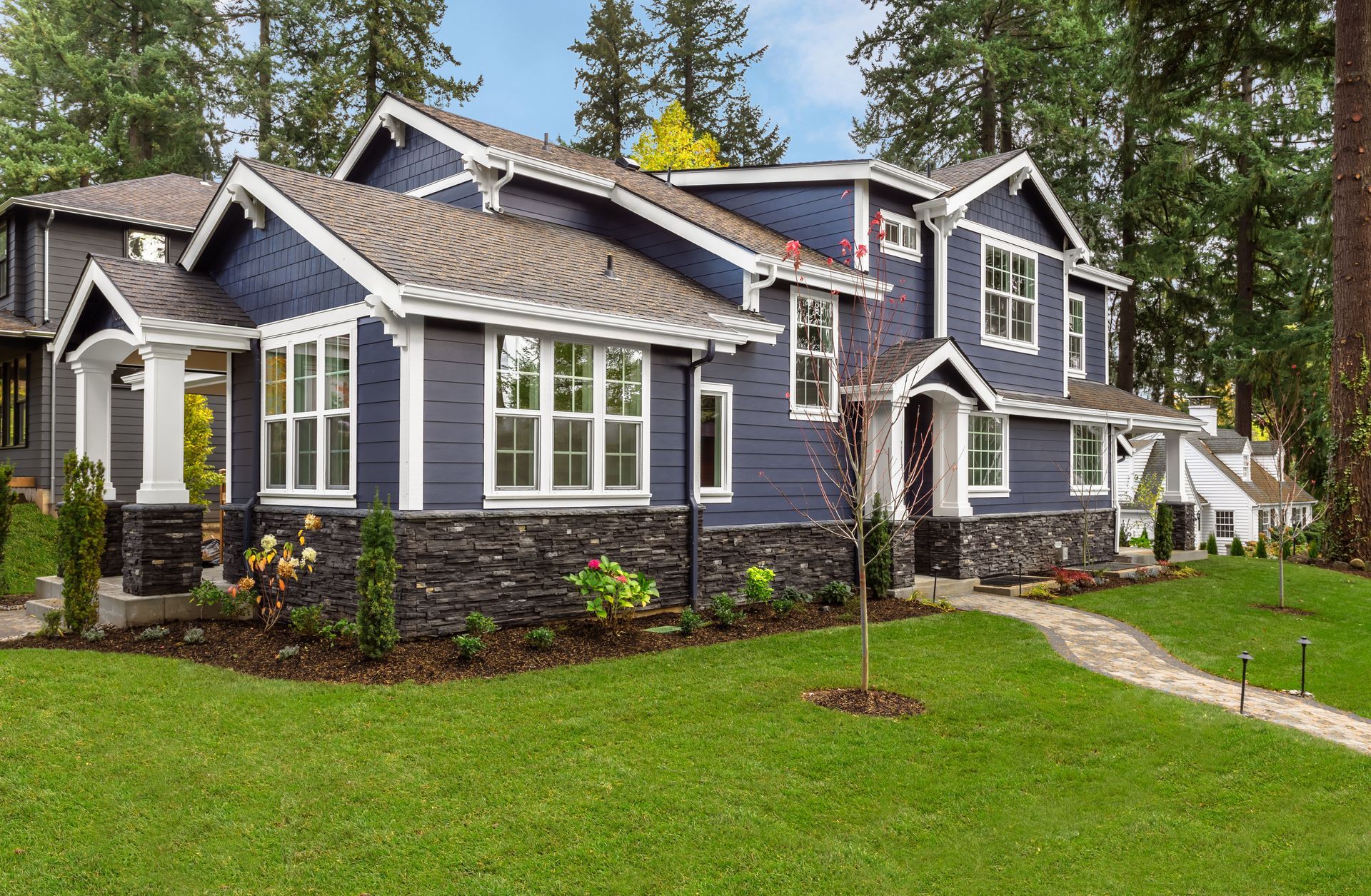
Investing in local roof installations shields residential structures against harsh seasonal weather conditions, preventing moisture intrusion and timber decay.
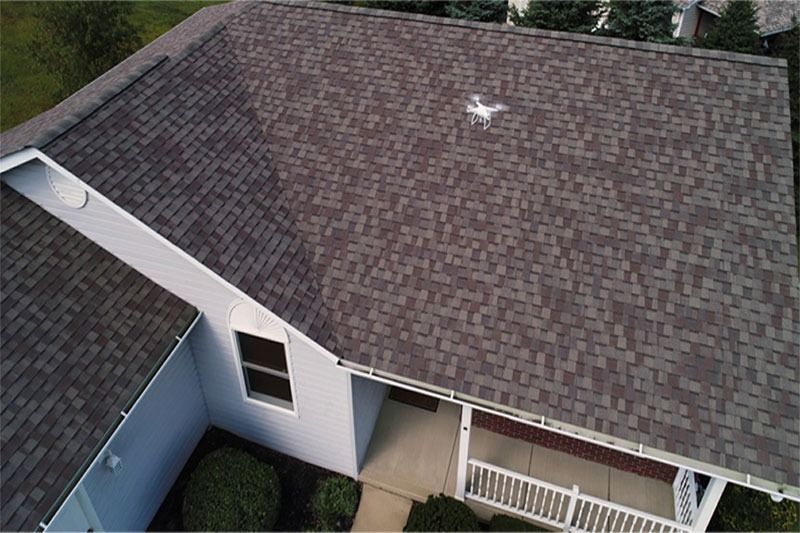
Aerial view of a gray-shingled house roof with a small white mark near the center
July 8, 2026
One of the most common questions homeowners ask us is simple: how long should my roof last? The honest answer depends on the material, the installation quality, and how well it’s maintained — but knowing the numbers can help you plan ahead and avoid being caught off guard by a costly replacement. Lifespan by roofing material Not all roofs are created equal. Here’s a realistic look at how long the most common residential roofing materials hold up: Most homes in South Jersey are covered with architectural (dimensional) asphalt shingles — a durable, cost-effective choice that, when properly installed and ventilated, reliably reaches or exceeds the 25–30 year mark. What shortens a roof’s life Even a high-quality roof can fail prematurely if certain conditions aren’t addressed. The biggest culprits we see are poor attic ventilation, which traps heat and moisture that literally bakes shingles from below; inadequate flashing around chimneys, skylights, and valleys that lets water creep under the surface; and deferred maintenance — small repairs left unattended that turn into large-scale damage. Installing a new roof directly over an existing layer of shingles (a “roof-over”) may save money upfront, but it traps moisture, adds weight, and can reduce the new roof’s lifespan by several years. A full tear-off is nearly always worth it. An experienced roofer can tell you quickly whether you’re dealing with a roof that has years of life left, or one that’s overdue. When in doubt, get an inspection — most reputable roofing companies offer them at no charge. Make the most of your warranty Today’s premium shingles come with significant manufacturer warranties — 30-year standard coverage and lifetime (50-year) options are widely available. But those warranties are only as strong as the installer. Using a certified contractor, like a GAF Factory Certified roofer, ensures the warranty is properly registered and honored. Keep your paperwork and take photos the day your roof is completed — it’s easier than you think to misplace that documentation when you need it a decade later. Not sure how much life your roof has left? Diamond Roofing offers free inspections across South Jersey

Show More →